What are the Essential Material Science and Design Considerations for Diverse Other Automotive Motor Carbon Brushes?
The category of Other Automotive Motor Carbon Brushes encompasses a vast array of specialized components essential for the reliable functioning of auxiliary systems beyond the primary cooling fans. These auxiliary systems include power window regulators, seat adjusters, fuel pumps, HVAC blowers, and various valve actuation mechanisms. Each application presents a unique set of operating parameters, demanding highly tailored material compositions and geometric designs to ensure longevity and consistent performance. The challenge for Wholesale Other Automotive Motor Carbon Brushes Manufacturers lies in mastering the material science required to balance electrical conductivity, mechanical wear rate, and commutator compatibility across this diverse range of DC motors.
Application Profiles and Material Selection Criteria:
The selection of the appropriate carbon brush grade is fundamentally driven by the motor’s current density, operating voltage, duty cycle, and the environmental conditions it faces. Motors operating under high load or high current density typically require brushes with a higher metal content to boost conductivity and minimize electrical loss. Conversely, motors in systems requiring high reliability and silent operation, such as interior HVAC blowers, often utilize purer, softer graphite grades.
Power Window and Seat Adjustment Motors:
These applications are characterized by intermittent operation, rapid reversals of rotation direction, and high stall-current demands when the window or seat reaches its limit. The brushes must perform reliably under high instantaneous currents and frequent mechanical shocks caused by reversal.
Material Composition: Copper-graphite or silver-graphite composites are frequently chosen. The metal content ensures high conductivity for handling the brief periods of high current draw. The presence of graphite provides the necessary lubricity to prevent excessive commutator wear during the frequent starts and stops.
Design Focus: Brush stability is critical. The design must minimize bounce during the transition between forward and reverse rotation. This often involves specific brush holder configurations and carefully selected spring pressure to maintain constant contact pressure regardless of load spikes.
Fuel Pump Motors:
Fuel pump motors operate continuously during engine operation, often submerged or exposed to hydrocarbon vapors and high-pressure differentials. This environment introduces significant challenges related to chemical exposure and continuous friction.
Material Composition: Due to the risk of chemical attack from gasoline or diesel and the requirement for long continuous runtimes, specialized electrographitic or resin-bonded graphite grades are used. These materials offer superior resistance to swelling or degradation from chemical vapors while maintaining a high degree of wear resistance.
Operational Requirements: The brush must create a highly stable protective film on the commutator surface. This film, crucial for minimizing wear, must withstand continuous mechanical scrubbing without flaking or breaking down, ensuring the motor achieves its intended lifespan, often exceeding 150,000 miles.
HVAC Blower Motors:
Blower motors typically operate at multiple speeds for extended periods. The primary concerns here are acoustic noise and electrical efficiency, as they directly impact passenger comfort and vehicle battery consumption.
Material Composition: Low-noise operation necessitates the use of high-purity, often metal-free, carbon graphite or natural graphite grades. These materials possess intrinsically lower friction coefficients, leading to smoother contact and minimal audible noise generation.
Acoustic Engineering: Other Automotive Motor Carbon Brushes for HVAC systems are designed with precise porosity and density to optimize the contact interface. This engineering approach focuses on reducing micro-vibrations and ensuring uniform current transfer, thereby suppressing both acoustic noise and potential radio frequency interference.
Wiper Motors and ABS Pump Motors:
These motors present a dichotomy of duty cycles. Wiper motors are highly variable, operating in wet, dry, and icy conditions, requiring reliable performance under diverse friction loads. ABS pump motors are critical safety components characterized by extremely high current and short bursts of operation.
|
Motor Type
|
Operating Condition
|
Primary Carbon Brush Property
|
Typical Material Grade
|
|
Wiper Motor
|
Variable speed, variable load, environmental exposure
|
Resistance to thermal shock and moisture/ice
|
Copper-Graphite (High Strength)
|
|
ABS Pump Motor
|
Intermittent, extremely high peak current, safety-critical
|
High current density capacity, immediate response
|
High Silver or Copper Content Metal Graphite
|
|
Power Steering Column Lock
|
Infrequent, high force, high reliability
|
Mechanical robustness and chemical stability
|
Electrographitic or Resin-bonded
|
|
HVAC Actuator
|
Low current, precise positioning, long life cycle
|
Low friction, excellent commutation stability
|
Low-Friction Graphite
|
The Role of Precision in Auxiliary System Brushes:
Manufacturing these diverse brushes requires a level of consistency that only high-volume, quality-focused Other Automotive Motor Carbon Brushes Manufacturers can achieve. The company, a leading Chinese manufacturer, emphasizes independent innovation and brand building. It leverages expertise gained over more than two decades in the field to produce reliable carbon brush assemblies. This includes sophisticated control over the mixing and compounding phases of the metal-graphite materials, ensuring that every batch possesses the identical electrical resistivity and mechanical strength required for the designated motor application.
The implementation of an advanced Enterprise Resource Planning system further streamlines their internal operations. This system manages the complex logistics of producing numerous specialized Other Automotive Motor Carbon Brushes grades, facilitating lean management and ensuring material traceability throughout the entire production lifecycle. This internal efficiency is crucial for maintaining the product consistency that has earned them "Excellent Supplier" recognition from leading domestic and international motor brands.
The precision engineering extends to the connection of the copper pigtail and the terminal. For Other Automotive Motor Carbon Brushes, the pigtail connection is often the highest point of resistance and failure. Utilizing specialized brazing and welding techniques ensures that the connection point is mechanically secure and maintains ultra-low resistance even under the demanding vibration and thermal cycling common in a vehicle environment. The focus remains on delivering components that contribute directly to the overall electrical efficiency and extended lifespan of the diverse auxiliary motors they serve.
How Do Manufacturing Consistency and Quality Systems Ensure Peak Performance of Other Automotive Motor Carbon Brushes?
Achieving peak performance and reliability for Other Automotive Motor Carbon Brushes requires more than just correct material selection; it demands rigorous manufacturing consistency enforced by comprehensive quality systems. For high-volume production, even minuscule deviations in density, porosity, or geometry can lead to premature wear, excessive noise, or catastrophic motor failure.
Integrated Manufacturing Processes for Consistency:
The production of high-performance carbon brushes involves a complex sequence of chemical, thermal, and mechanical processes that must be tightly controlled by Wholesale Other Automotive Motor Carbon Brushes Manufacturers.
Powder Compounding and Mixing:
The initial stage involves mixing various powders—carbon, natural graphite, synthetic graphite, copper, and often silver—with specialized binders. The homogeneity of this mixture is paramount. Inconsistent mixing leads to varying current density paths within the finished brush, causing localized overheating and uneven wear. Sophisticated mixing techniques, followed by particle size analysis, ensure the resulting composite powder is perfectly uniform before pressing.
Forming and Sintering:
The subsequent steps involve forming the mixed powder into green blocks under immense pressure, followed by high-temperature sintering or firing in a controlled atmosphere. The temperature profile, atmospheric gas composition, and dwell time during sintering are the ultimate determinants of the brush's final mechanical properties, including hardness and volume density.
Density Control: Density is a critical indicator of mechanical strength and electrical performance. Low density can lead to rapid mechanical wear, while excessively high density can compromise the brush's porosity and self-lubricating properties. Precise control of the forming pressure and sintering process ensures the final density of the Other Automotive Motor Carbon Brushes falls within an extremely tight tolerance band.
Porosity Engineering: The microstructure of the brush, including its inherent porosity, is engineered to facilitate lubrication and heat dissipation. For specific grades used in high-current applications, a controlled porosity helps manage the formation of the critical protective film on the commutator surface, which is essential for minimizing friction and wear.
Dimensional Precision and Finishing:
Given that automotive brushes must slide freely yet maintain minimal clearance within their brass or plastic holders, dimensional precision is non-negotiable.
High-Precision Grinding: After sintering, the carbon blocks are ground to their final dimensions. Advanced computer-numerical-control machining and grinding equipment are used to achieve sub-millimeter tolerances on all faces. This attention to dimensional accuracy prevents brush sticking or binding, guaranteeing that the brush maintains constant contact with the commutator until its full service life is reached.
Pigtail and Terminal Assembly: The attachment of the flexible copper pigtail and terminal is often automated to ensure consistency in the soldering or brazing process. Quality checks verify both the pull strength of the connection and the electrical resistance of the joint, preventing premature detachment under high mechanical stress.
Quality Assurance and Performance Validation:
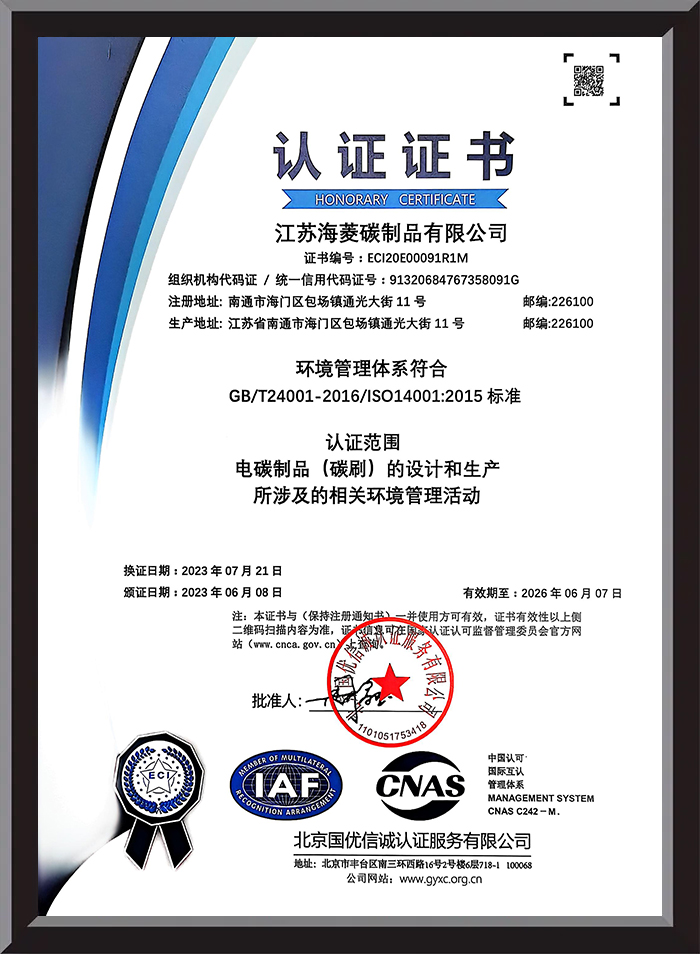
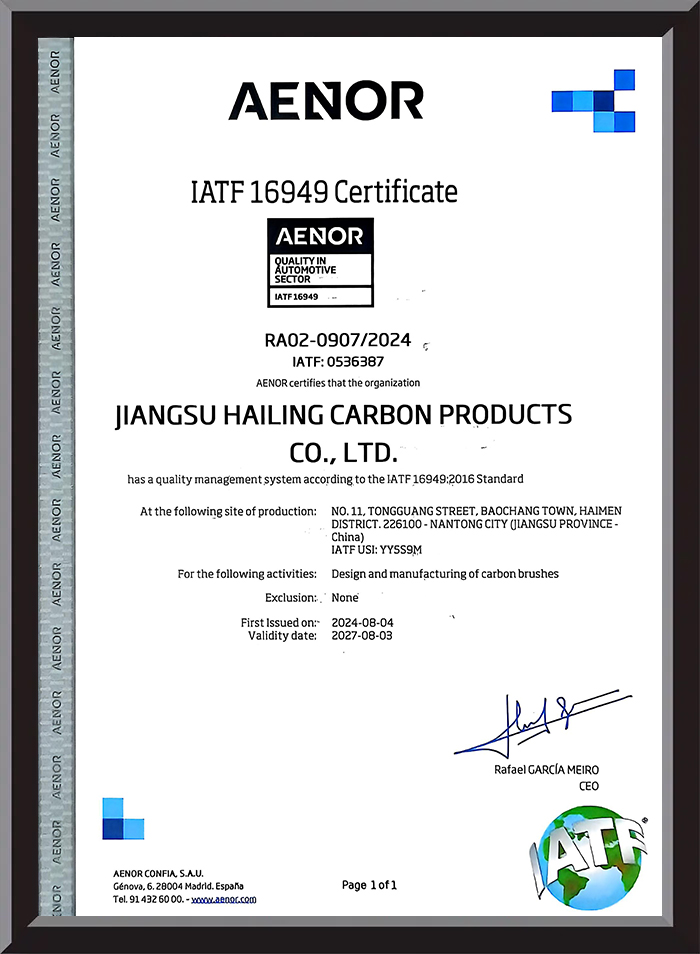
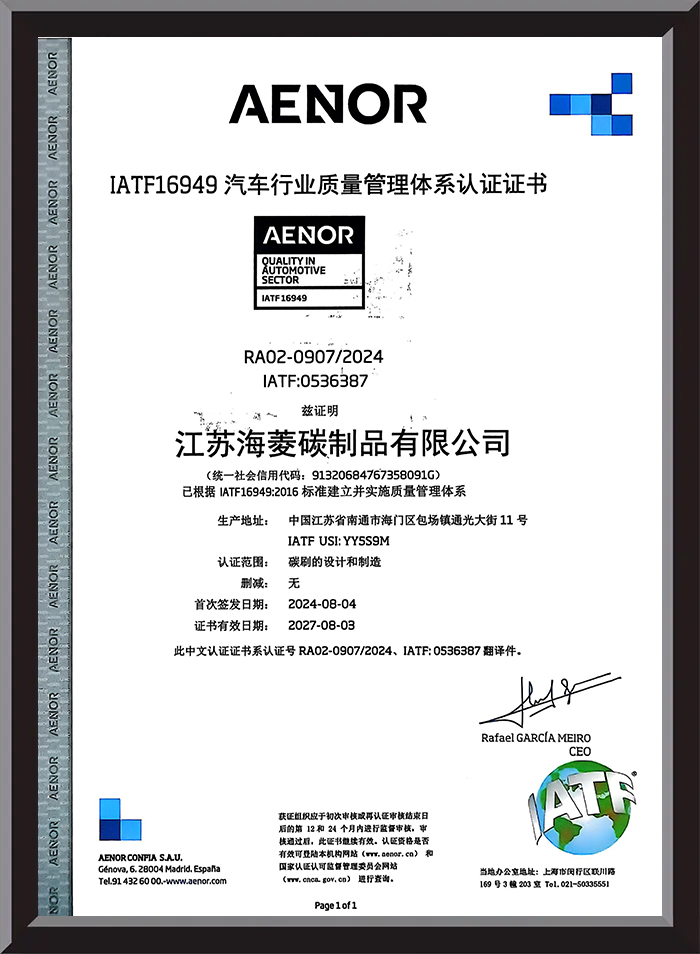
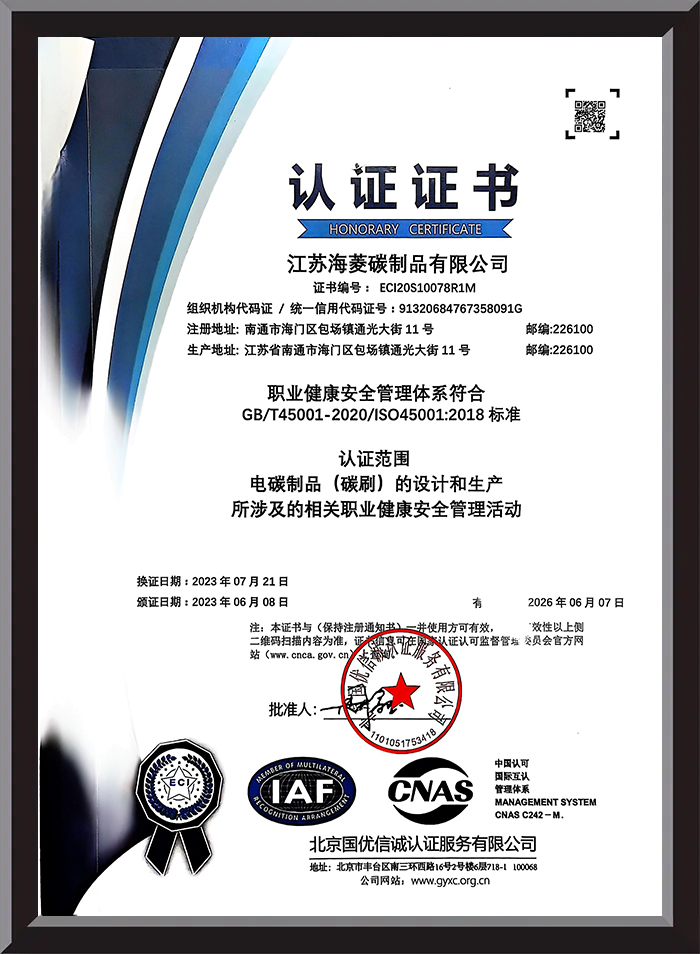
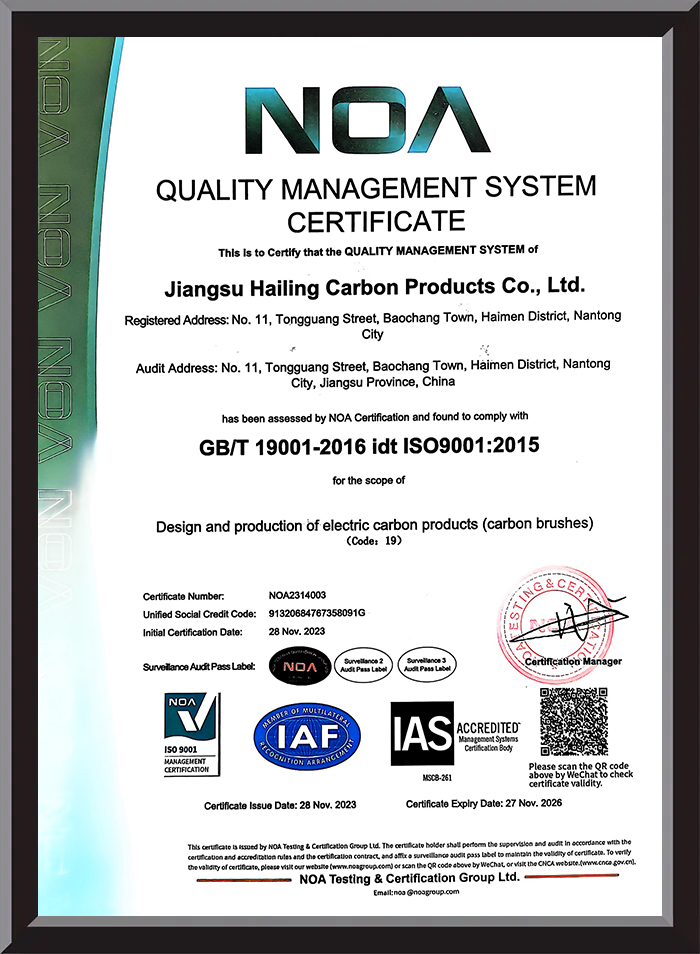
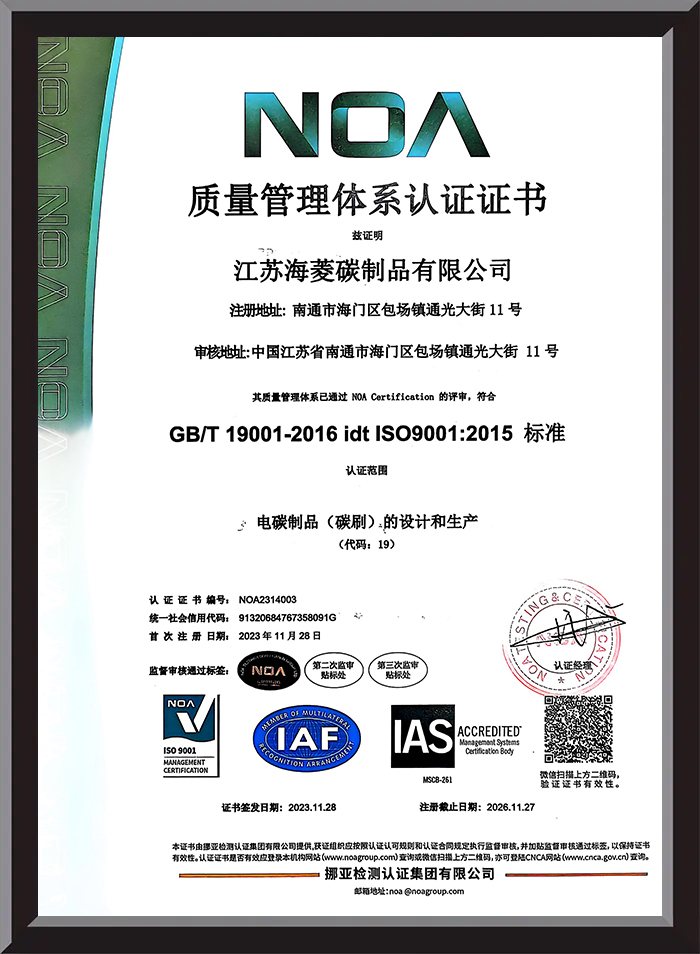
Reputable Other Automotive Motor Carbon Brushes Manufacturers establish rigorous testing protocols that simulate the intense conditions of the automotive environment. Quality control is applied throughout the entire manufacturing process, adhering to the ISO 9001 standard for full-process quality management.
The manufacturer of these high-performance components holds the High-Tech Enterprise qualification, signifying a strong commitment to independent technological innovation and advanced manufacturing techniques. Their dedication to process control and reliability is demonstrated through their comprehensive quality system. This system incorporates stringent processes for risk reduction, maintains a focus on achieving a zero-defect rate, and ensures rigorous change control, all of which are critical for components supplied to the automotive sector. This commitment to quality ensures that every Other Automotive Motor Carbon Brushes component delivered maintains an industry-leading standard of reliability and performance consistency.


 English
 中文简体
中文简体