What Specialized Material Grades and Design Features Are Required for Air Compressor Carbon Brushes Operating Under Continuous Load?
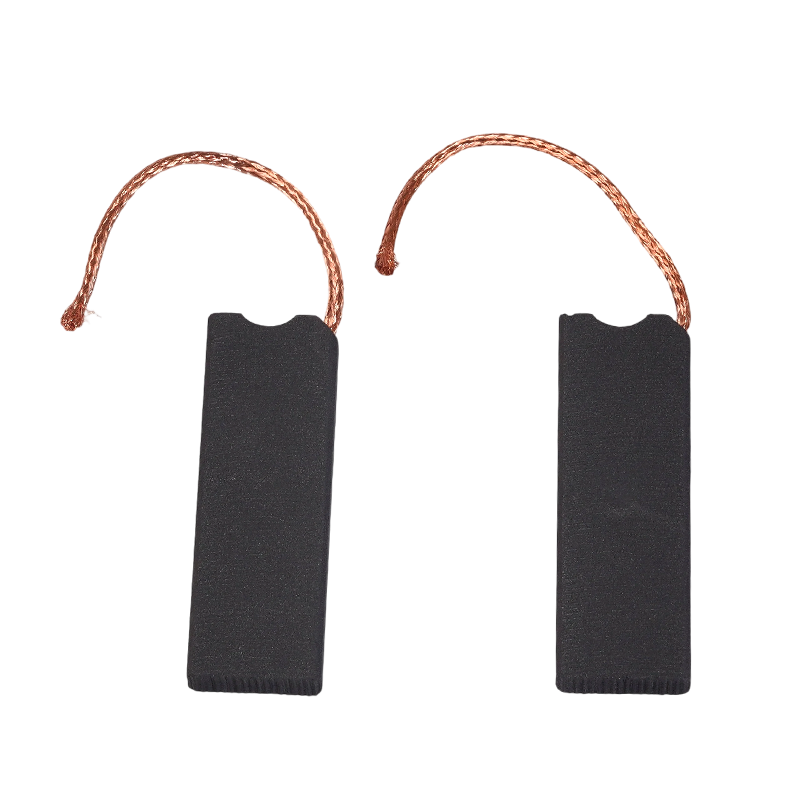
Air compressors are indispensable assets across a vast range of industries, providing essential power for everything from pneumatic tools in manufacturing lines to critical climate control systems. The operational success of these machines hinges on the reliability of their electric motors. Air Compressor Carbon Brushes are the critical interface enabling current flow to the motor armature, and their specialized design is what allows the entire unit to deliver reliable motor performance, stable operation, and long-lasting durability under continuous industrial use.
Air compressor motor brushes face a unique set of challenges distinct from other industrial applications. They are typically subject to high and constant current density, elevated operating temperatures due to enclosed motor designs, and the necessity for minimal downtime. To manage these stressors, Air Compressor Carbon Brushes Suppliers must employ advanced material science and robust mechanical engineering.
Material Composition for High Current and Thermal Resilience:
The demands of continuous duty cycles and high starting torque dictate specific material compositions for Air Compressor Carbon Brushes. The primary objective is to maintain low contact resistance and excellent thermal dissipation capabilities to prevent commutator damage.
Metal Graphite Grades: These grades are frequently employed for high-power, low-voltage air compressor motors, particularly those requiring strong starting torque. These brushes contain a precise blend of metallic powders, typically copper or silver, combined with graphite. The metal content ensures superior electrical conductivity and enhanced heat transfer away from the contact face. Careful calibration of the metal content is essential; sufficient metal is needed for current capacity, while adequate graphite content is necessary for lubricity and wear mitigation, guaranteeing stable operation over extended periods. Furthermore, the selection of the metallic matrix greatly influences the contact drop characteristics, ensuring maximum power transfer efficiency and minimizing energy loss across the sliding interface.
Electrographitic Grades for High Speed: For compressors utilizing higher speed AC or DC motors, specific electrographitic grades may be selected. These grades are fired at very high temperatures, sometimes exceeding 2500 degrees Celsius, to create a dense, stable structure that excels at handling high peripheral speeds and minimizing arcing. These materials are often impregnated with resin or metal compounds to further enhance their mechanical strength and lubricating properties in warm, contained environments. The high thermal conductivity of the electrographite base helps to rapidly dissipate heat generated by friction and commutation current, protecting the motor components.
Impregnation for Durability: A crucial factor in achieving long-lasting durability is the use of specialized impregnation processes. To counteract the effects of high operational temperatures and ensure the brush maintains its lubricating film, manufacturers often infuse the carbon block with inorganic salts or specialized lubricants. This internal treatment ensures the brush remains self-lubricating even when the motor's operating conditions become harsh, such as in environments with very low or fluctuating humidity, a common occurrence in dusty or hot industrial settings. The impregnant materials prevent the brush from becoming overly abrasive or dusting excessively.
The formulation of Air Compressor Carbon Brushes is rarely standardized; instead, it is customized based on the motor's horsepower, speed, and ambient operating environment, making the expertise of Custom Air Compressor Carbon Brushes Manufacturers invaluable.
Design Features for Mechanical Stability and Contamination Resistance:
The mechanical integrity of the carbon brush assembly is just as vital as the material composition, especially given the constant vibration and often challenging environmental conditions of compressor installations.
Brush Pigtail and Terminal Integrity: The pigtail, which conducts current from the brush to the terminal block, is a critical point of failure in high-vibration applications. In compressor brushes, the pigtail must be constructed from high-strand copper cable and secured to the carbon block using advanced welding or compression techniques. This ensures a permanent, low-resistance connection that prevents thermal fatigue and maintains reliable motor performance throughout the brush’s life. The gauge and flexibility of the pigtail are meticulously chosen to handle the full rated current while accommodating the brush's movement within the holder.
Constant Pressure Spring Systems: Maintaining uniform pressure on the commutator is fundamental to preventing brush bounce and resulting excessive sparking. Air compressor brush holders typically utilize robust helical or constant-force springs designed to maintain consistent tension over the entire wear travel of the brush. This stability in pressure minimizes commutator wear and electrical interference, supporting long-lasting durability under continuous industrial use. Precise spring calibration is necessary to achieve the optimal pressure window where wear is minimized but contact integrity is maximized.
Vibration Dampening and Shock Absorption: Given that compressors often generate significant internal mechanical vibration, the brush and holder assembly must be designed to absorb and dampen this energy. Some designs incorporate built-in dampening pads or specialized shunt attachments that minimize the transmission of high-frequency motor vibration to the electrical contact interface, preserving stable operation. This passive dampening extends the life of both the brush and the commutator.
Contaminant Management and Dimensional Tolerance: Air compressors are often situated in dirty industrial environments where oil mist, dust, and particulate matter can contaminate the commutator surface. Brushes for these applications must be engineered with material hardness and density that allow them to mildly scrub contaminants off the commutator without causing excessive abrasive wear. This resilience is key to maintaining a clean and effective contact patch. Furthermore, tight dimensional tolerances on the brush body ensure proper fit and unimpeded movement within the brush holder channel, preventing sticking or tilting that would lead to catastrophic failure.
How Do Advanced Manufacturing Quality Controls and System Integration Ensure the Long-Term Reliability of Air Compressor Carbon Brushes?
The supply chain for high-performance industrial components like Air Compressor Carbon Brushes requires manufacturers to demonstrate not only material expertise but also absolute excellence in quality management and scalable production. Since failure in a compressor brush can lead to unexpected downtime, process control is paramount to the product’s success.
Precision Manufacturing and Production Consistency:
Achieving the extremely rigorous dimensional and material consistency required for high-duty Air Compressor Carbon Brushes demands a highly sophisticated manufacturing infrastructure. Production processes are managed digitally to ensure every stage, from the initial blending of graphite and metal powders to the final high-temperature sintering, adheres to a uniform standard. This systematic approach ensures that the thousands of unique specifications required by various compressor motors, which can range widely in power and speed, are met with unwavering accuracy.
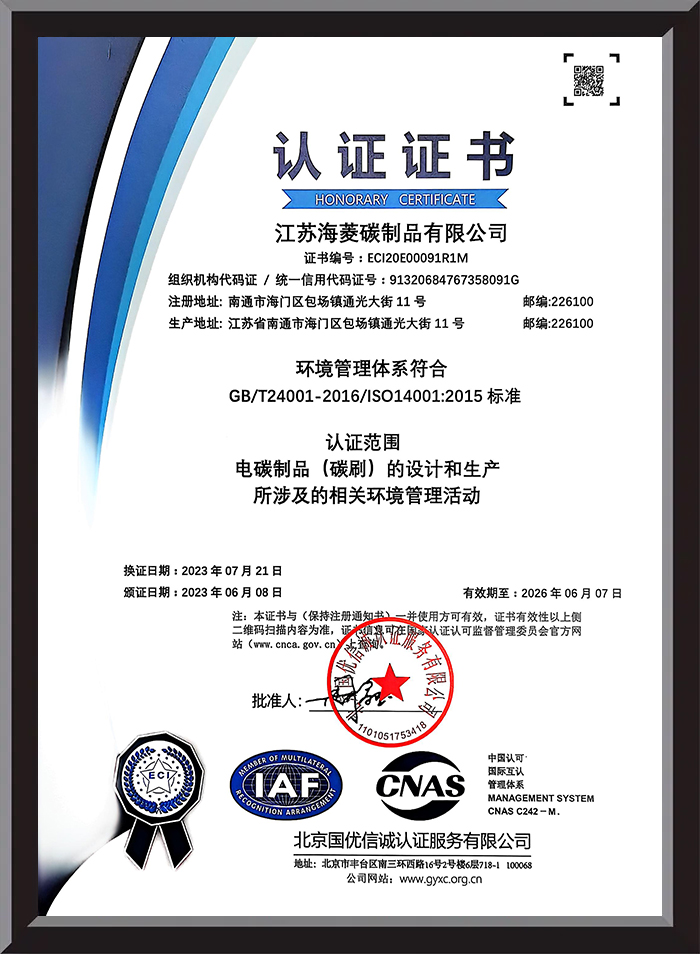
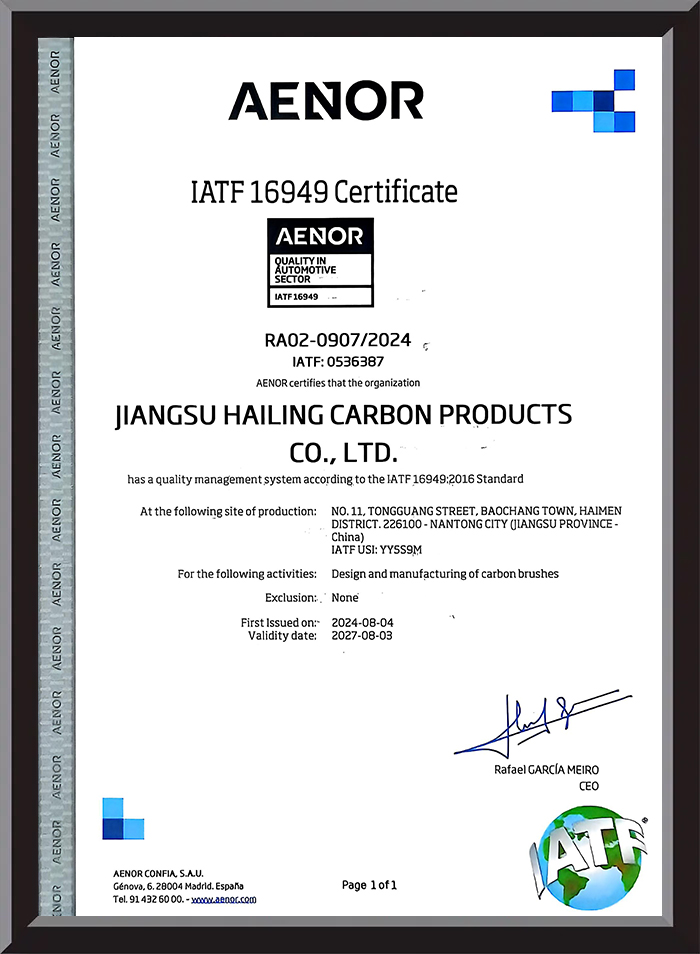
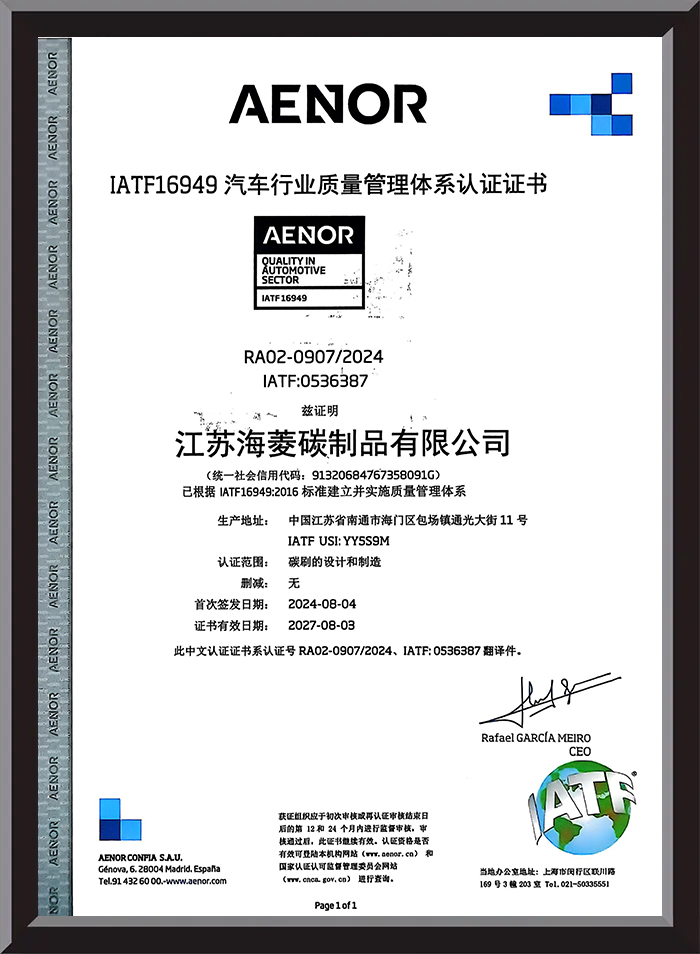
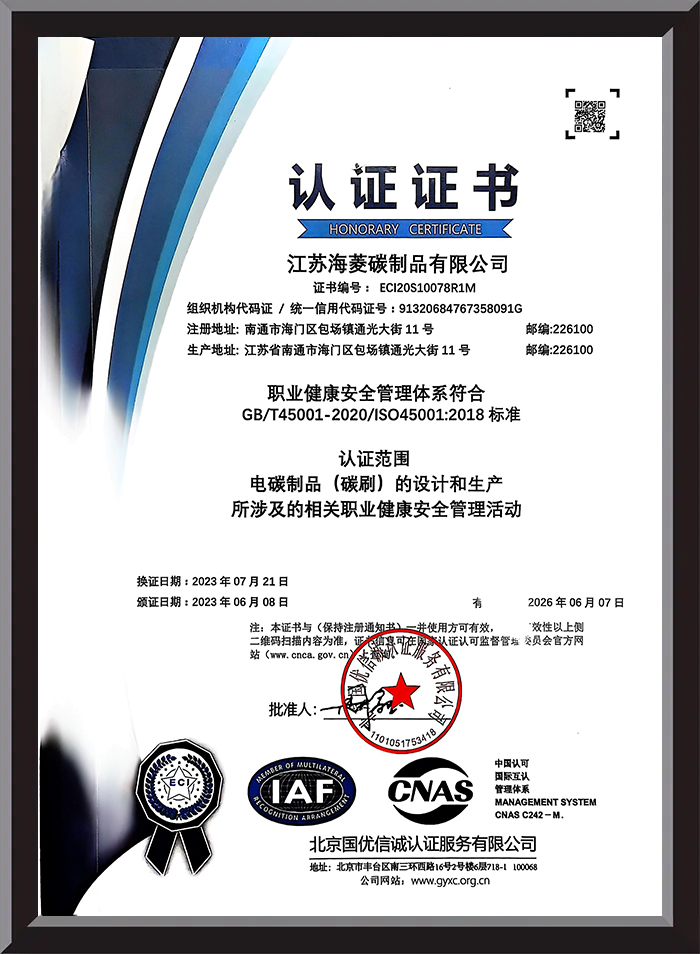
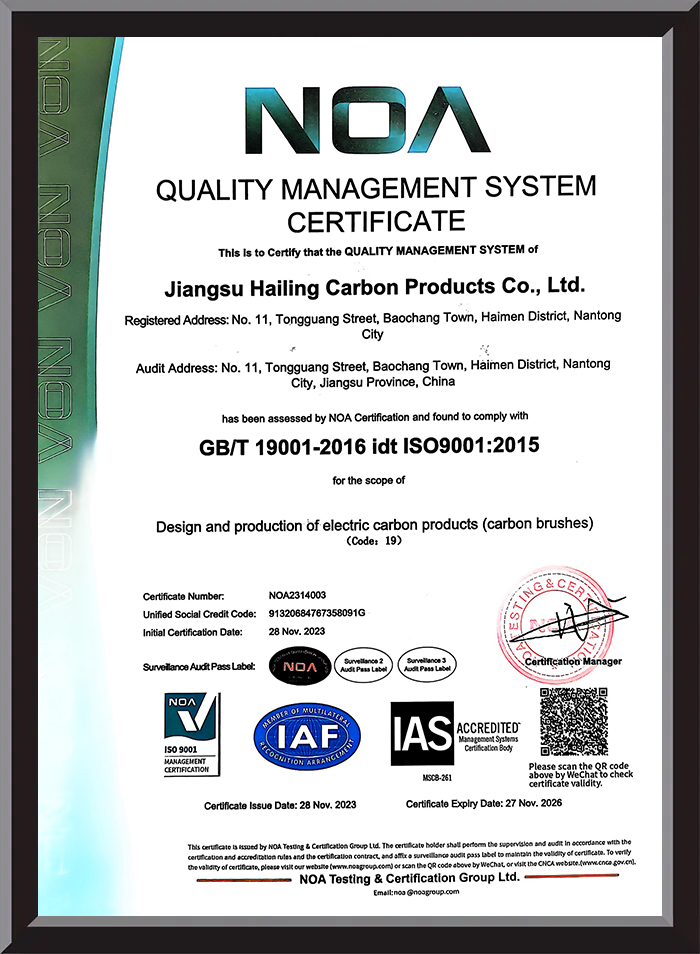
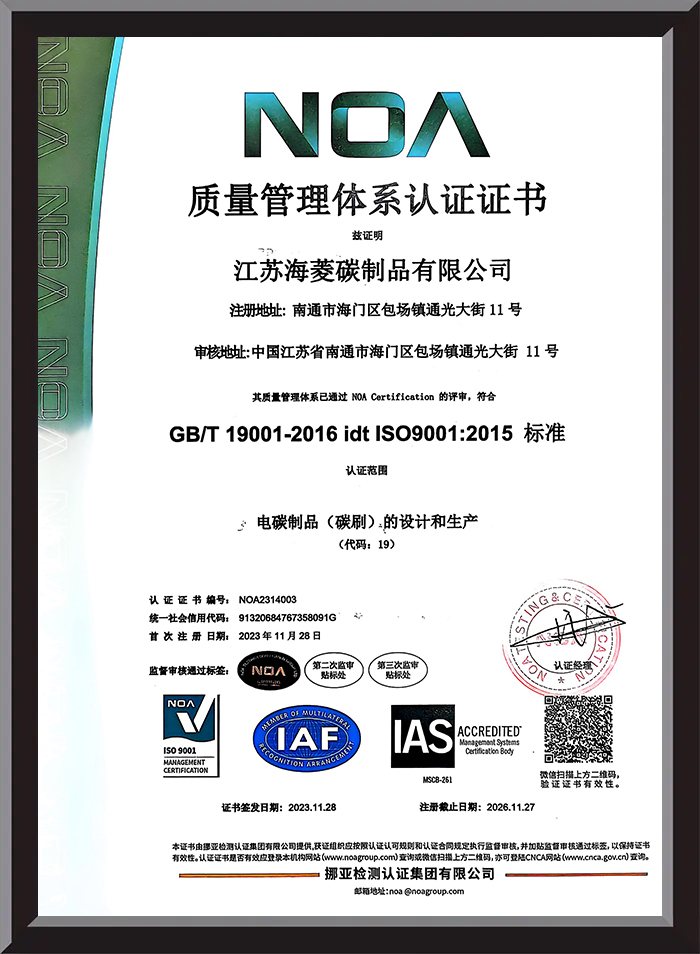
Leading manufacturers in this sector, like Jiangsu Hailing Carbon Products Co., Ltd., invest in advanced technology and process control to maintain top industry performance. This commitment to production consistency and adherence to global quality management systems establishes the foundation for delivering Air Compressor Carbon Brushes that consistently guarantee reliable motor performance.
Technical Validation and Product Evolution:
The reliability promise of Air Compressor Carbon Brushes is upheld by a commitment to continuous material improvement and technical validation driven by substantial investment in research and development R&D. This technical dedication ensures that their product line is constantly evolving to meet the demands of newer, more energy-efficient compressor motor designs and stricter operational profiles. Advanced manufacturers utilize R&D to address emerging commutation challenges posed by modern motors, focusing on providing high-performance products capable of maintaining stable operation under prolonged stress.
Manufacturers with this technical focus operate with a full-process quality control framework, ensuring that material selection, processing techniques, and final testing procedures are integrated and verifiable. This allows for precise calibration of material hardness and friction coefficient to maximize both efficiency and long-lasting durability. Technical validation often includes finite element analysis FEA modeling to predict thermal and mechanical stress responses before physical prototyping.
Rigorous Testing for Industrial Use:
To ensure the long-lasting durability required for industrial air compressors, brushes must undergo a specific set of tests that simulate continuous operation in harsh environments:
Current Density and Thermal Cycling Test: Brushes are tested under sustained, high current loads, typically 150 percent of the rated load, for extended periods to verify their ability to prevent excessive heat buildup. This test directly validates the brush grade’s fitness for continuous industrial use without overheating the commutator or brush holder assembly, simulating real-world overload conditions safely.
Accelerated Wear Rate Assessment: Long-term durability is verified by running the brushes on specialized test rigs at maximum rated speed and load for hundreds of hours. This accelerated testing methodology collects precise data on material consumption. This data allows for accurate life expectancy predictions, helping maintenance teams accurately schedule brush replacement intervals and minimize unplanned downtime, which is essential for maximizing compressor uptime.
Commutation Performance Analysis: This test uses advanced electrical monitoring, including digital storage oscilloscopes, to assess the severity of sparking at the commutator interface under varying loads and speeds. Superior commutation quality is directly linked to reducing electrical noise and preventing premature motor damage, which is vital for stable operation. The spark level is typically graded visually and electronically according to established international standards.
Dimensional Stability Testing: Since consistent contact pressure is vital, brushes are tested for dimensional stability under elevated temperatures and thermal shock cycles. The material must resist warping or shrinking after sustained thermal exposure to ensure the brush maintains its intended contact area. This test confirms that the brush volume remains stable regardless of the motor's internal temperature fluctuations.
|
Test Parameter
|
Objective in Air Compressor Applications
|
Measurement Standard
|
|
Current Density Capability
|
Prevent overheating during heavy-duty operation
|
Amperes per square inch A/in²
|
|
Friction Coefficient
|
Reduce mechanical wear and energy loss
|
Measured static and dynamic values
|
|
Wear Rate
|
Predict component service life
|
Millimeters lost per 1000 operating hours
|
|
Electrical Resistance
|
Ensure efficient power transfer and minimal voltage drop
|
Ohms, measured across the brush and pigtail
|
|
Temperature Rise
|
Monitor heat generated at the contact point
|
Degrees Celsius above ambient C
|
This combined focus on robust quality management, sophisticated digital production management, and decisive technical leadership allows these leading Air Compressor Carbon Brushes Suppliers to serve as dependable and strategic partners in the global industrial sector, ensuring that the core electrical interface components are consistently high-performance and compliant with the toughest standards required for stable operation and productivity.


 English
 中文简体
中文简体