Why Are Ultra-Low Friction Materials and Minimal Electrical Noise Essential for Industrial Robots Carbon Brushes Performance?
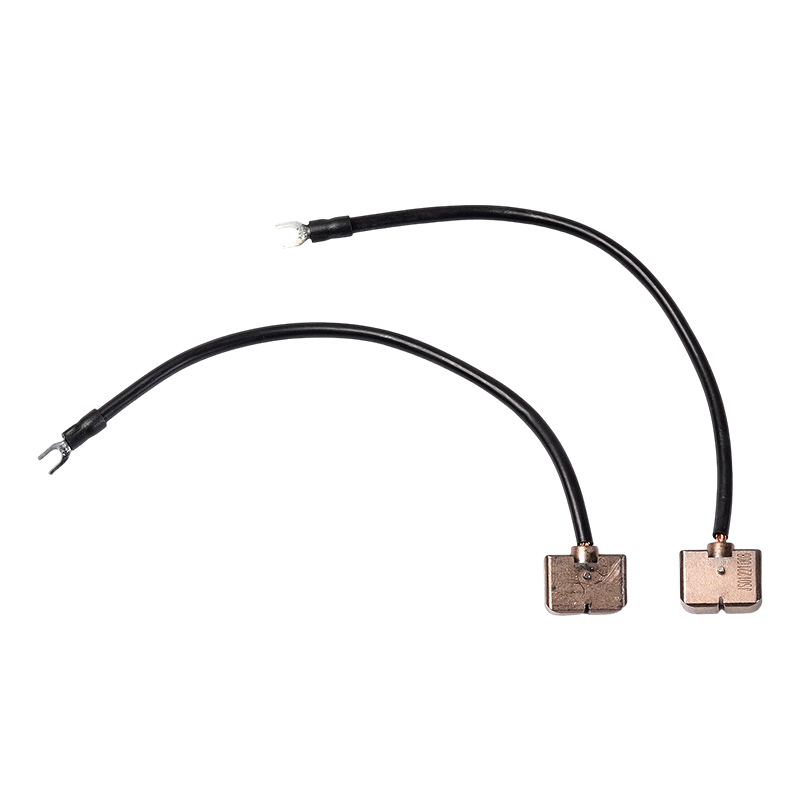
The rapid evolution of automation in high-stakes fields like medicine and manufacturing places unprecedented demands on motion control components. Industrial Robots Carbon Brushes are the fundamental electrical interface components within the servo motors and specialized actuators that power these robotic systems. Unlike heavy machinery, robotic arms and automated pharmacy robots require continuous, precise, and instantaneous motion control. Therefore, the Carbon brushes for industrial robots must be expertly designed to provide precise motor performance, smooth operation, and long-lasting reliability in sensitive applications.
The key challenges in robotic applications revolve around three critical factors: minimizing friction to ensure precise positioning, suppressing electrical noise to prevent signal interference, and guaranteeing an extremely long service life despite constant stop and start cycles. Meeting these demands requires specialized materials and meticulous design engineering from Industrial Robots Carbon Brushes Manufacturers.
Material Composition for Precision Motion Control:
Robotic applications, particularly those involving sensitive processes like automated pharmacy robots, typically utilize highly responsive DC servo motors or specialized motor/encoder assemblies. The brushes operating within these systems must address unique electrical and mechanical phenomena:
High Purity Graphite Grades: For general robotic motion that requires a balance of moderate current and low wear, high purity, resin-bonded graphite is often preferred. These grades are selected for their inherent low coefficient of friction and excellent film-forming capabilities. The material composition is carefully managed to eliminate abrasive impurities that could scratch delicate commutators, which are often smaller and more sensitive than those in heavy industrial equipment. The uniformity of the graphite structure ensures stable operation across varying motor loads.
Silver-Graphite Grades AgG for Signal Integrity: In applications where the brush is used for transmitting low-voltage command signals, or in high-precision encoder feedback systems, Silver-Graphite Grades are indispensable. Silver inclusion dramatically lowers contact resistance to near zero levels, which is crucial for minimizing voltage drop and ensuring the integrity of sensitive control signals. This material choice is mandatory for maintaining the high repeatability and positional accuracy required for smooth operation in automated systems. The low resistivity of these grades prevents thermal build-up even during high-frequency signal transmission.
Copper-Graphite Grades for Power Actuators: While most robotic motions are light, certain actuators or grippers require higher torque bursts or operate high-speed joints. For these specific applications, a low copper content graphite brush may be used. The engineering challenge is ensuring that this increased current capability does not come at the expense of friction or electrical noise generation. Advanced formulations use superfine copper powder to maintain homogeneity and promote a highly stable interface film under high current spikes.
Patina Dynamics in Clean Environments: A crucial factor in brush life is the formation of the commutator film, or patina. In typical industrial motors, this film relies on ambient moisture and oxygen. However, robotic systems frequently operate in sealed motors or cleanroom environments where these elements are scarce. Industrial Robots Carbon Brushes for these settings are engineered with internal lubricating agents or specialized binders that self-generate the necessary film components. This internal lubrication system ensures the long-lasting reliability in sensitive applications regardless of external air quality or humidity, preventing accelerated wear due to a compromised patina layer.
The successful implementation of Industrial Robots Carbon Brushes depends on balancing conductivity, lubricity, and hardness to match the specific operating parameters of the robot’s motors. This custom material tailoring is the hallmark of experienced Custom Industrial Robots Carbon Brushes Suppliers.
Design Focus: Noise Suppression and Longevity:
The physical and electrical design features of the brush directly impact the robot’s performance and reliability. Small variations in brush geometry or pigtail attachment can introduce vibration or electrical spikes that disrupt the sensitive electronic controllers.
Pigtail Attachment and Shielding: The flexible pigtail connection must maintain extremely low impedance to prevent current fluctuations that create electrical noise. Furthermore, the routing and termination of the pigtail often incorporate shielding considerations to minimize electromagnetic interference, which could easily corrupt nearby digital sensors or control signals in the robotic unit. Advanced welding techniques are employed to fuse the pigtail securely to the carbon block, eliminating the potential for resistance increases over the operational lifespan.
Constant Pressure Mechanism: Servo motors frequently start, stop, and reverse direction many times per second. This rapid duty cycle requires a brush holder and spring system engineered for exceptional dynamic stability. The spring mechanism must apply constant, optimal pressure to prevent brush bounce, which is the primary cause of arcing and radio frequency interference. Consistent pressure is directly correlated with the long-lasting reliability in healthcare applications. Modern robotic brush holders often utilize helical coil springs or specialized constant force springs to guarantee even wear distribution.
Precision Grinding and Surface Finish: The contact face of the Industrial Robots Carbon Brushes must be precision-ground to match the commutator’s radius exactly. Even microscopic imperfections can lead to uneven current density, localized hot spots, and rapid wear. Manufacturers utilize advanced optical measurement tools and CNC grinding to ensure a flawless contact profile, contributing to precise motor performance. This attention to surface finish reduces initial friction and accelerates the proper seating of the brush upon installation.
Environmental Adaptability and Brush Holder Modularity: Robotic brushes must be easily serviced or replaced, even within complex, multi-axis joints. Brush holder designs for industrial robots often emphasize modularity, allowing for quick, single-handed component replacement. For cleanroom or sterile environments, the entire brush assembly must be designed to minimize particle generation. This involves selecting materials that produce minimal carbon dust and designing the holder system to effectively manage and contain any resulting debris. This specialized design approach ensures the longevity of the motor itself and maintains the cleanliness required in sensitive production or medical environments.
How Do Specialized Manufacturing Processes and Digital Systems Ensure the Reliability of Industrial Robots Carbon Brushes in Automation?
The transition of the carbon brush from a basic consumable to a high-precision sensor component is a function of advanced manufacturing technology and rigorous quality management systems. For industrial robots, the components must be produced in high volumes, yet each unit must meet the unique dimensional and material consistency of an aerospace part. The supply chain demands placed upon Industrial Robots Carbon Brushes Manufacturers are characterized by the need for absolute certainty regarding material purity and process repeatability.
Digital Systems and Manufacturing Competitiveness:
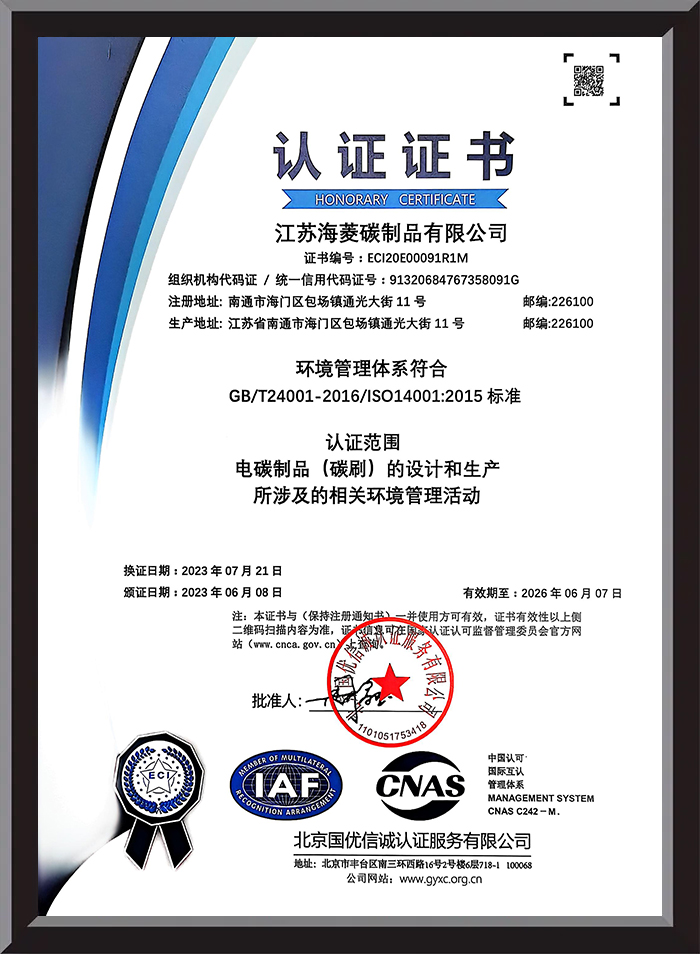
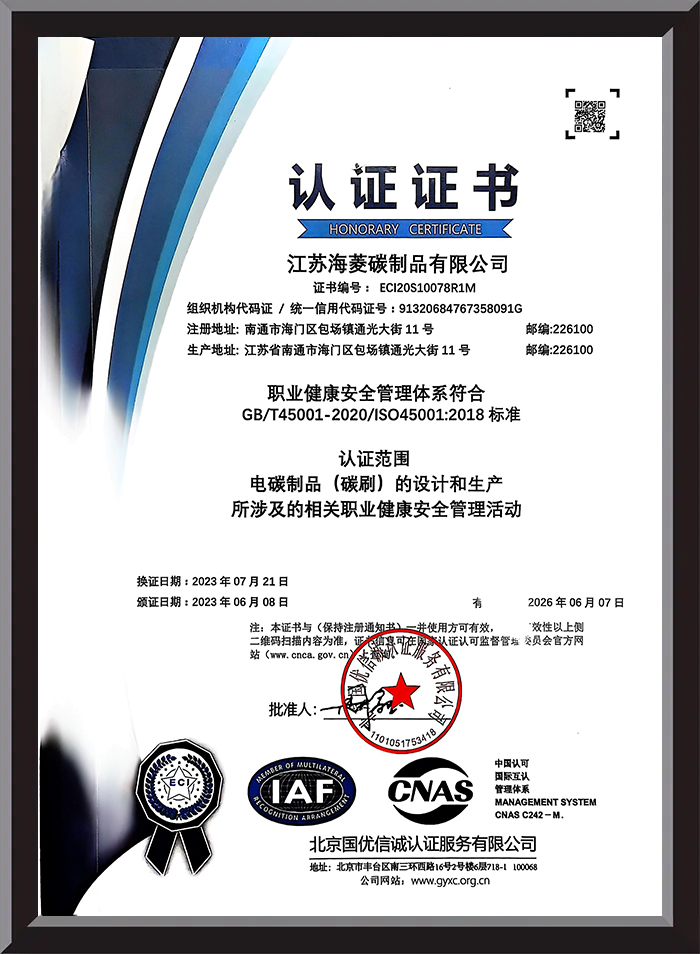
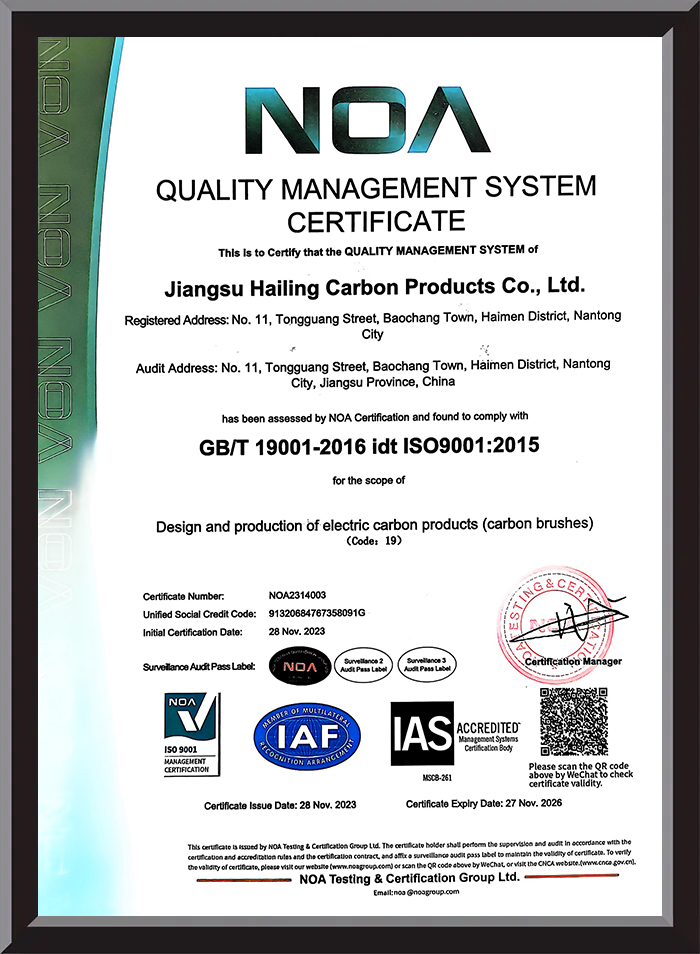
Jiangsu Hailing Carbon Products Co., Ltd. utilizes an advanced ERP system that provides a systematic and measurable advantage in the highly technical field of manufacturing Carbon brushes for industrial robots. This integrated digital platform is the foundation of their operational excellence, enabling:
Micro-Level Traceability: The ERP system tracks every batch of specialized raw materials, including high-purity graphite and silver powder, from the point of procurement through the final machining and assembly. This capability ensures that for every Industrial Robots Carbon Brush supplied, the exact chemical composition and thermal processing data are recorded. This granular traceability is critical for robotic OEMs who require perfect consistency and rapid root-cause analysis in case of a component performance issue.
Optimized Lean Production: The system actively facilitates lean management practices, optimizing the complex, multi-stage production flow, which includes material mixing, precise compaction, high-temperature firing, and subsequent precision machining. By managing inventory and production capacity in real-time, the company ensures competitive lead times, which is vital for China Industrial Robots Carbon Brushes Suppliers and global supply chains serving the fast-paced automation market.
Custom Specification Management: Industrial robotic systems often require highly specialized brush dimensions and material grades tailored to specific motor types, for example, high-speed spindle motors versus high-torque joint actuators. The ERP system efficiently manages thousands of unique product specifications, ensuring that every order for Custom Industrial Robots Carbon Brushes Suppliers is manufactured and delivered precisely according to the most demanding engineering blueprints.
Quality Assurance and Reliability Requirements:
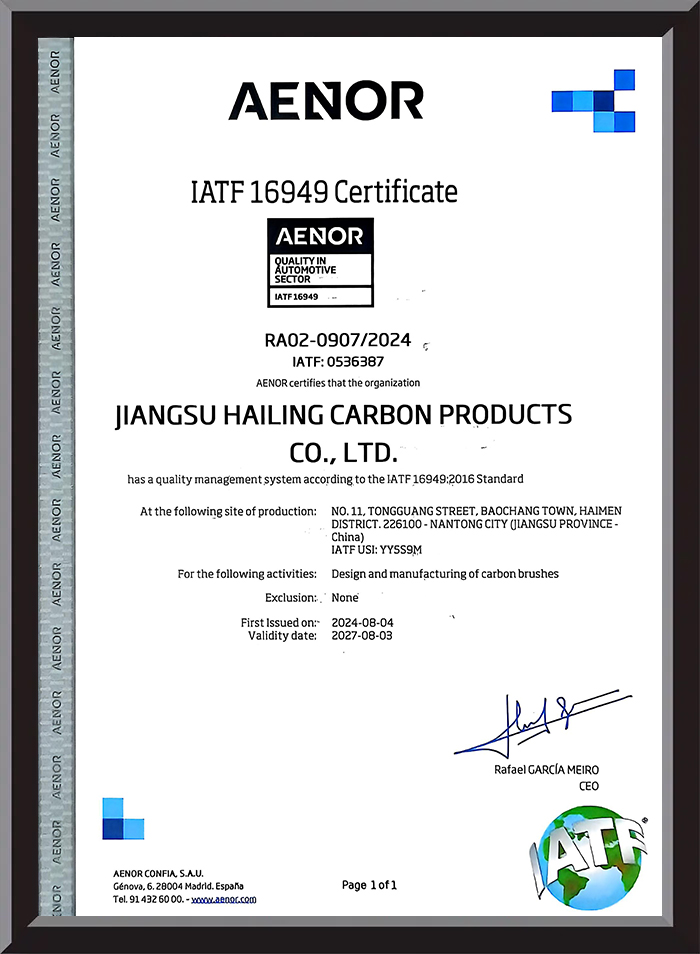
The reliability of Industrial Robots Carbon Brushes is non-negotiable, as failure can halt entire automated production lines or compromise sensitive healthcare operations. The quality system underpinning the manufacturing process must address the following critical domains:
Dimensional Precision and Uniformity: Robotic systems operate with tolerances often measured in micrometers. Therefore, the brush dimensions, including thickness, width, and parallelism, must be perfectly uniform across every batch. Manufacturers utilize coordinate measuring machines and non-contact optical inspection systems to verify that the brushes meet the strict physical requirements of modern servo motor housings.
Electrical Noise Suppression Testing: A hallmark of high-quality Industrial Robots Carbon Brushes Manufacturers is the testing of electrical noise. Brushes are tested dynamically on test rigs that simulate operational loads while sophisticated oscilloscopes measure noise and voltage ripple. The objective is to ensure that the brush contact does not generate radio frequency interference that could disrupt the robot's electronic controls or communication systems.
Vibration and Shock Resistance: Despite operating in relatively clean environments, robotic motors are subject to constant high-frequency vibration from rapid acceleration and deceleration. Brushes must be tested to confirm the integrity of the pigtail connection and the stability of the spring mechanism under prolonged vibrational stress, which ensures precise motor performance over the long operational lifespan.
Environmental Resilience for Specific Applications: For specialized applications, such as pharmacy automation where temperature and humidity are tightly controlled, the brushes must prove stable within those specific parameters. Conversely, for industrial robots used in manufacturing where atmospheric pollutants may be present, the material must be tested for resistance to contamination and maintaining a stable film in the presence of trace chemicals.


 English
 中文简体
中文简体