What Material Innovations and Compositional Grades Ensure Slide Motor Carbon Brushes Achieve Durability in Logistics Systems?
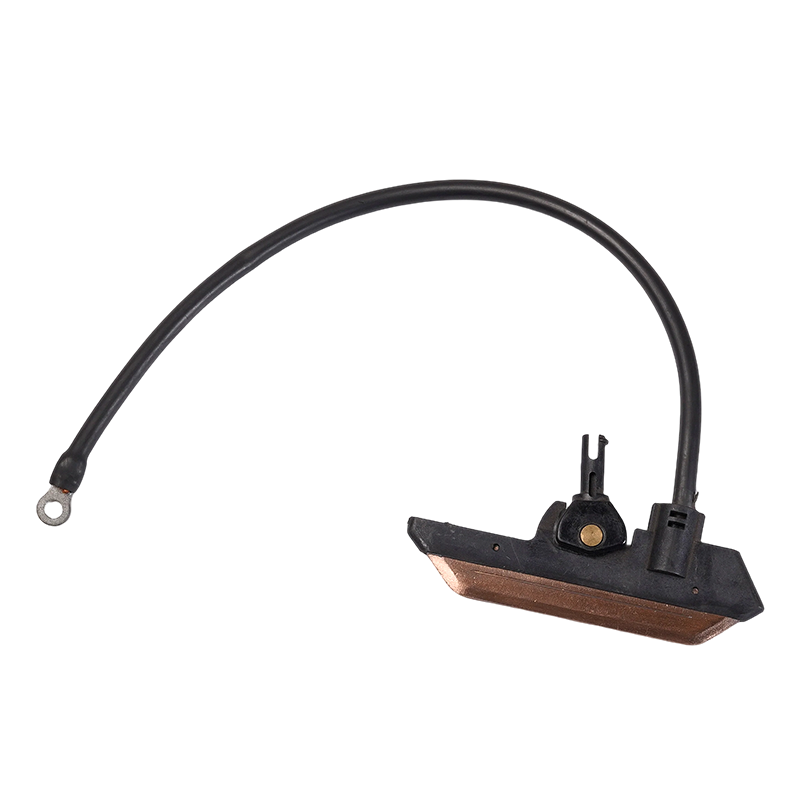
The backbone of modern logistics and warehousing operations is the automated conveyance system, powered by countless slide motors and conveyor drive units. These motors are subject to one of the most demanding duty cycles in the industry: continuous operation, frequent starts and stops, and high thermal loads within often dusty or temperature-variable environments. Slide Motor For Logistics Use Carbon Brushes are engineered to be the robust electrical lifeline of these motors, specifically designed to provide reliable conductivity, smooth operation, and long-lasting durability in continuous material handling applications.
The operational environment of logistics motors necessitates a specialized approach to brush material selection and synthesis, far exceeding the requirements of general purpose motors. Slide Motor For Logistics Use Carbon Brushes Suppliers must prioritize low wear rates and exceptional mechanical strength to withstand constant vibration and thermal cycling.
Material Composition for Extended Service Life:
The material composition is the single most important factor determining the brush’s life expectancy and its impact on the motor's commutator.
High Strength Electrographitic Grades: For AC motors or higher voltage DC motors commonly found in large conveyor systems, high density electrographitic materials are typically employed. These grades are processed at extremely high temperatures, often exceeding 2500 degrees Celsius, which leads to superior carbon particle bonding and structural integrity. This high density provides a superior mechanical barrier against wear and ensures the brush can maintain its profile and consistent contact area over thousands of operational hours. The material’s inherent purity minimizes the abrasive agents that can cause rapid commutator deterioration, ensuring smooth operation. Furthermore, deep graphitization treatment is applied, which drastically increases the crystalline order of the carbon structure. This advanced thermal processing stabilizes the material matrix, significantly lowering electrical resistivity and reducing the coefficient of wear. This structural homogeneity is critical for minimizing localized hot spots that lead to pitting on the commutator surface. Furthermore, the excellent chemical stability of these grades provides resistance against potential chemical contamination from environmental factors in the warehouse setting.
Metal Graphite Grades for Dynamic Load: In lower voltage motors or those subjected to frequent, heavy dynamic loads during package sorting or indexing, metal graphite grades are often utilized. These Slide Motor For Logistics Use Carbon Brushes contain a precise percentage of copper or bronze powders mixed with high purity graphite. The metallic inclusion significantly boosts current carrying capacity and thermal conductivity, which is vital for rapidly dissipating heat generated by the high-frequency acceleration and deceleration cycles typical in sorting systems. The meticulous control over particle size during blending ensures homogeneous conductivity throughout the carbon block. Manufacturers must expertly manage the ratio of metal to graphite to optimize the trade off between high current capacity and necessary lubricity for reduced friction. For extreme high current density applications, particularly in severe dynamic braking or rapid reversal cycles, trace amounts of silver powder are introduced into the blend. Silver provides the highest electrical conductivity and superior resistance to oxidation at elevated temperatures, ensuring that the electrical contact remains stable and efficient even when momentarily exceeding continuous operational parameters.
Specialized Binding Agents and Impregnation: To combat the dusty conditions often found in logistics centers, where particulate matter can disrupt the electrical film, brushes are often treated or manufactured with specialized binding agents. These polymeric or ceramic agents enhance the mechanical cohesion of the carbon material, reducing the rate of dusting and particulate release. Furthermore, vacuum impregnation with organic or inorganic compounds provides an internal lubrication reservoir. This ensures that the lubricating film, or patina, remains stable on the commutator surface even when ambient humidity levels fluctuate or when atmospheric contaminants are present, directly supporting long-lasting durability. These impregnants are chemically bonded to the carbon structure to prevent premature leaching.
Commutation Film Management: Successful brush operation relies on the controlled formation of a micron-thin patina on the commutator. Slide Motor For Logistics Use Carbon Brushes Factory products are designed to create a consistent, protective film that minimizes friction and electrical erosion. The composition is formulated to achieve an ideal film thickness that prevents excessive wear while still maintaining low electrical contact drop, maximizing energy efficiency across the continuous path of the conveyor system. The quality of this film directly impacts the motor's lifespan and overall efficiency.
The engineering focus on material consistency and thermal stability is what separates standard brushes from those engineered to the rigorous requirements of continuous logistics applications. The material selection is tailored to the specific motor class, guaranteeing optimal electrical and mechanical performance.
How Do Mechanical Design and Manufacturing Precision Guarantee Reliable Conductivity and Low Maintenance for Logistics Carbon Brushes?
Beyond material composition, the physical design and the precision of the manufacturing process are crucial in translating material science into reliable, long-term performance in a motor. The brush holder assembly and the precision of the brush body must work together perfectly to manage vibration and maintain continuous, uniform contact.
Mechanical Features for Stability and Reliability:
In material handling environments, the physical stability of the brush assembly is paramount to minimizing wear and unexpected motor failure.
Constant Force Spring Technology: The use of constant force springs, often made from specialized corrosion resistant stainless steel alloys, ensures that the pressure applied to the brush remains uniform throughout the entire length of the brush as it wears down. This consistency prevents the pressure from dropping toward the end of the brush life, which would otherwise lead to dangerous sparking and reduced reliable conductivity. This technology is essential for reducing scheduled maintenance intervals and preventing resonant vibration at high motor speeds. Many specialized Slide Motor For Logistics Use Carbon Brushes systems utilize specially designed segmented springs. This configuration allows for independent pressure application across the brush face, distributing force more evenly and compensating for minor commutator irregularities. This segmentation provides higher initial pressure for seating the brush and maintains a consistent minimum pressure throughout the brush’s maximum wear limit, thereby extending the replacement cycle safely.
Pigtail Construction and Attachment: The flexible shunt or pigtail connection is engineered for maximum thermal and mechanical resilience. In heavy-duty logistics motors, the pigtail must handle the full rated current continuously without heat buildup. Advanced manufacturers employ high strand count copper wire and utilize diffusion welding or brazing techniques to create a near-zero resistance bond between the cable and the carbon block. This strong, low-resistance connection is critical for maintaining reliable conductivity even under constant motor vibration. The pigtail may feature specific terminal types, such as spade or eyelet, to ensure rapid and secure connection within the terminal block, simplifying installation and inspection.
Dimensional Precision and Dust Management Features: The tight tolerances specified for Slide Motor For Logistics Use Carbon Brushes prevent any tilting or sticking within the brush holder channel. Precision grinding and finishing techniques are used to ensure that the brush moves smoothly, allowing the constant force spring to act correctly. Any deviation in dimension can result in non-uniform wear, sparking, and rapid failure, all of which are unacceptable in high-uptime logistics environments. Additionally, some brushes are designed with specific geometrical features, such as slight edge bevels or ventilation slots, to actively manage dust and debris accumulation within the contact zone. Precision chamfering treatment is applied to the running edges of the brush block. This small, consistent bevel ensures a smooth, non-abrasive transition during the initial run in period and especially during frequent motor direction reversals common in complex sorting systems. This edge conditioning minimizes stress concentration and prevents chipping of the carbon material, reducing the risk of groove formation on the commutator surface.
Manufacturing Consistency and Quality Assurance:
The ability of a Slide Motor For Logistics Use Carbon Brushes Factory to produce thousands of perfectly consistent brushes month after month is fundamental to the industrial supply chain. This consistency relies on integrated quality management and large-scale manufacturing capacity. The production process involves multiple complex steps, including high pressure hydraulic pressing, high temperature firing, and subsequent precision grinding, all of which must be controlled with extreme accuracy.
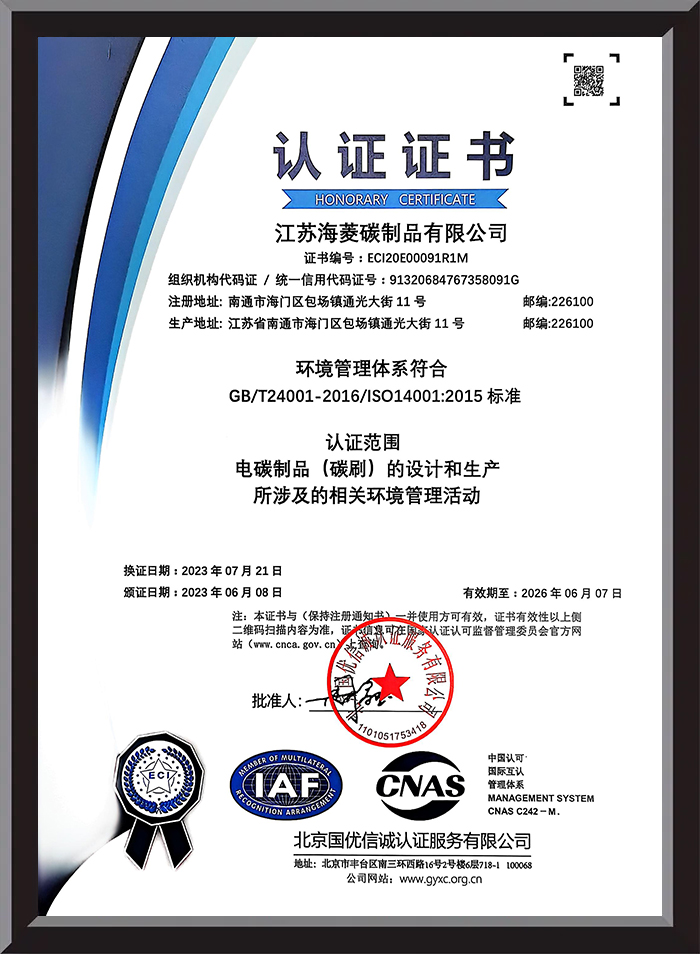
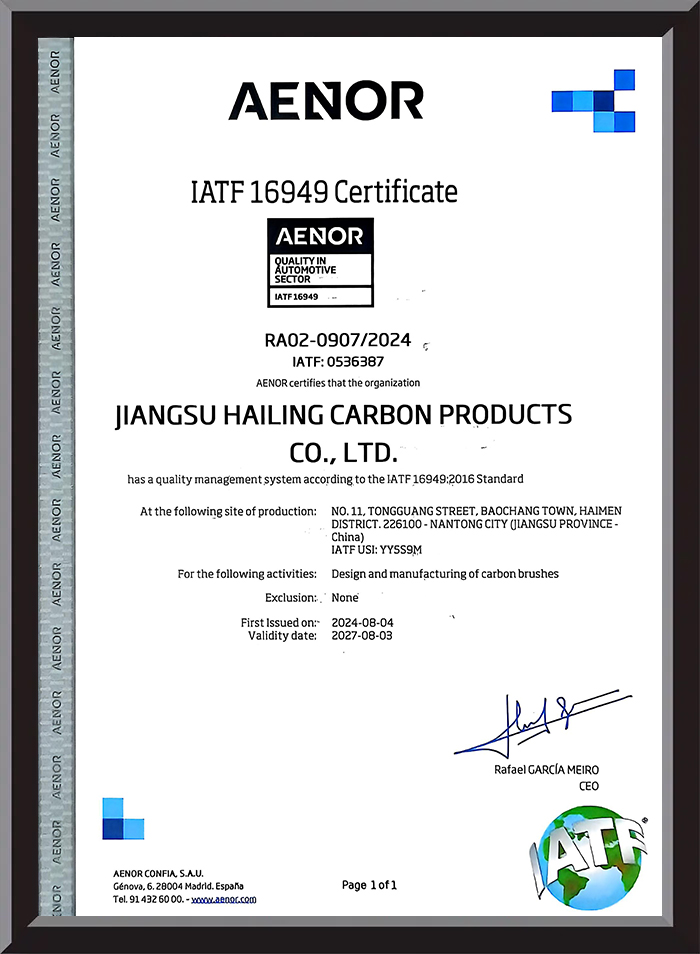
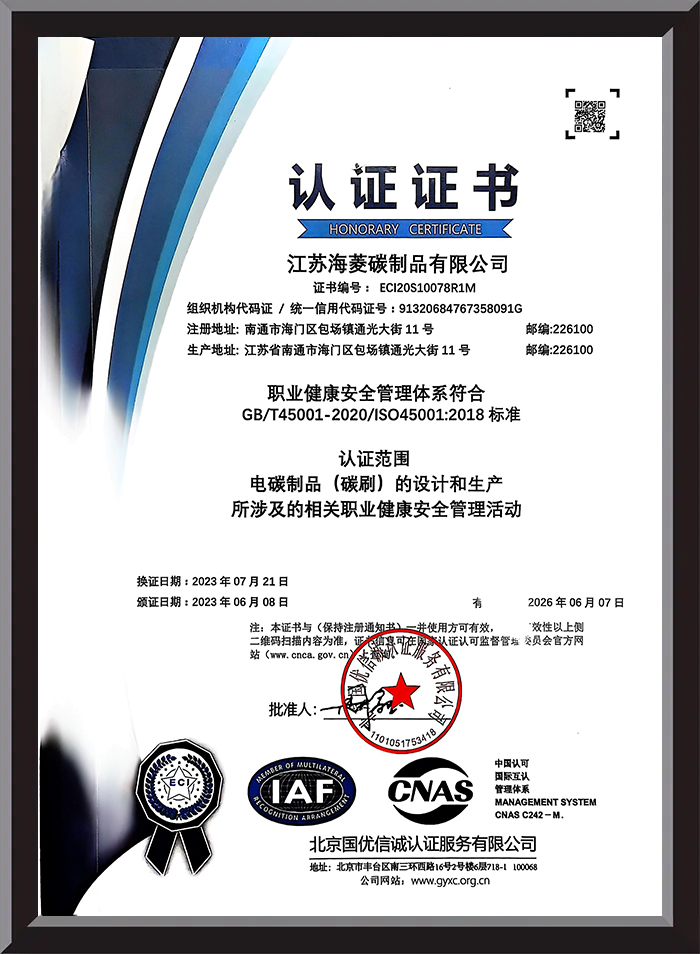
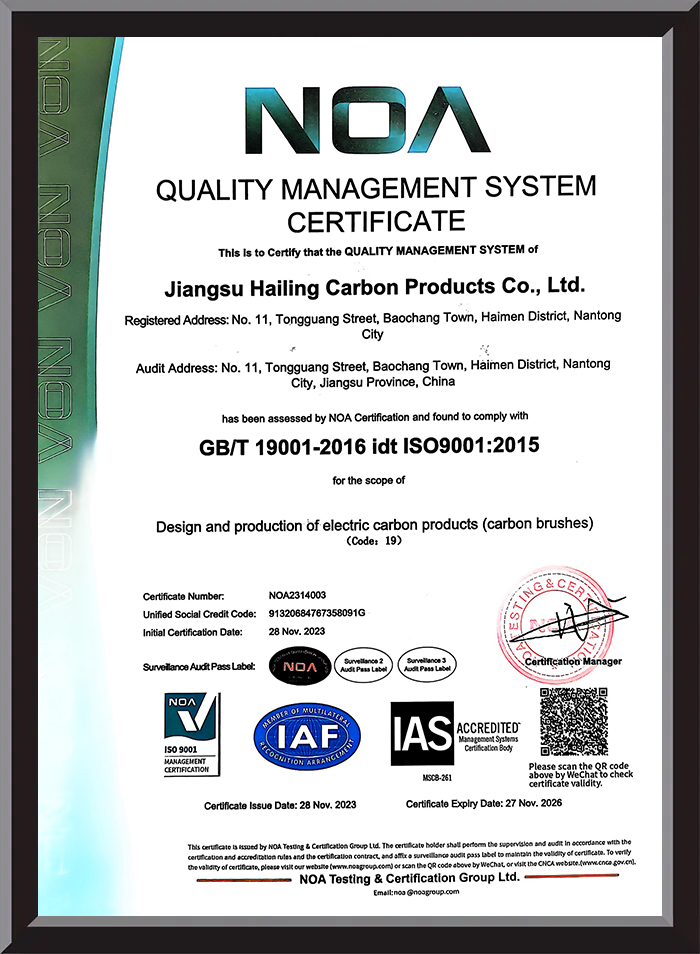
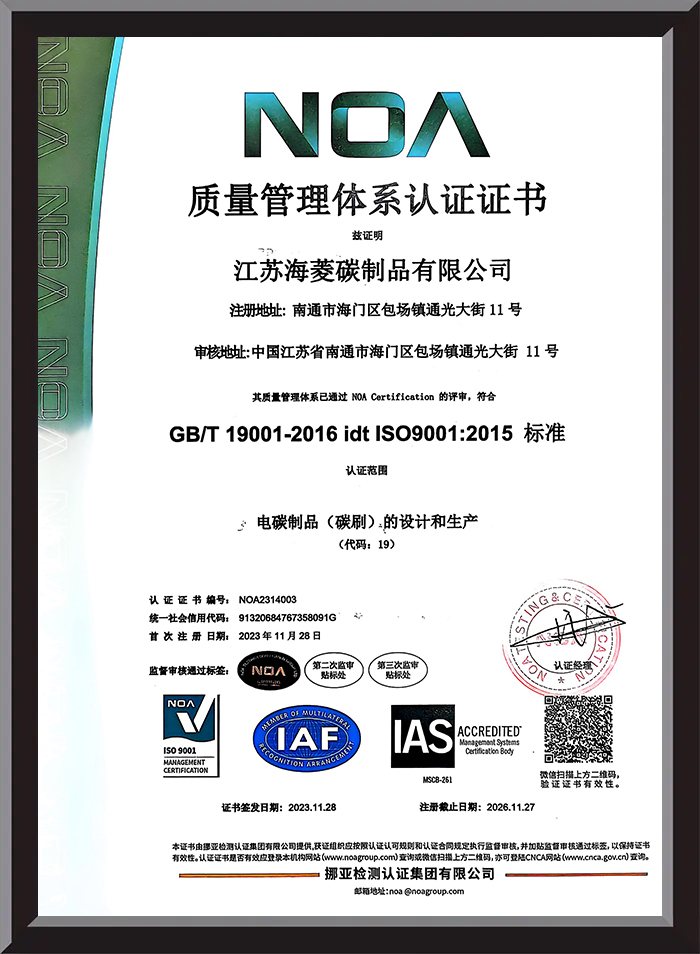
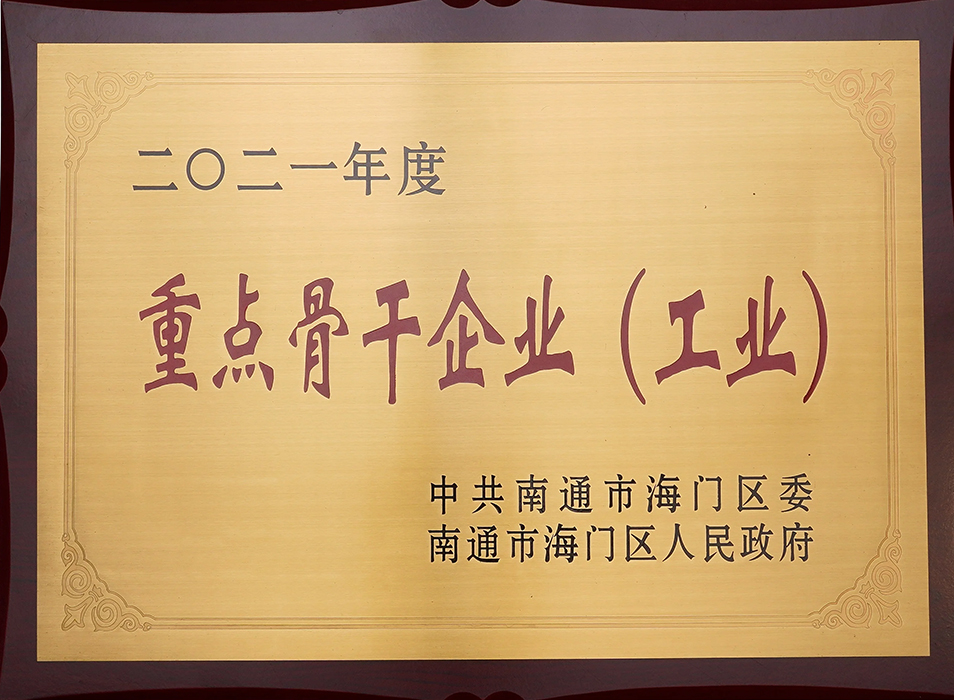
A prominent manufacturer in this specialized field, Jiangsu Hailing Carbon Products Co., Ltd., commits itself to the principles of "Integrity in Operation, Quality First" and "Brand Building, Independent Innovation." The manufacturer leverages advanced production techniques and integrated quality management systems, including an advanced ERP system, to ensure product performance. The utilization of an advanced ERP system in production allows for stringent management of batch consistency. This digital platform ensures end to end traceability, from validating the precise raw material mixture ratio to documenting the exact sintering temperature curve for every batch. This technical safeguard is crucial for producing high reliability products at scale and maintaining component uniformity across large fleets of logistics equipment. This systemic focus on consistent quality has enabled them to achieve high-volume output while partnering with top domestic and international motor brands. Their continuous effort to strengthen technical performance ensures their products, including Slide Motor For Logistics Use Carbon Brushes, remain highly competitive in the global market.
Product Testing for Logistics Environments:
Rigorous testing programs are implemented to validate the brush's fitness for the harsh, continuous-duty cycles of logistics applications. These tests go beyond simple current capacity to simulate real-world mechanical and electrical stresses.
Environmental Chamber Testing: Brushes are tested in specialized chambers that simulate the temperature and humidity extremes found in non-conditioned warehouses and distribution centers. This test validates the stability of the lubricating film and the mechanical integrity of the carbon material under fluctuating atmospheric conditions, ensuring the brush material does not swell or shrink excessively. Humidity cycling tests are particularly critical, simulating the daily and seasonal transitions in warehouse environments, moving from dry heating to humid conditions. This testing validates that the brush material does not experience excessive volume change or friction fluctuation due to moisture absorption, thereby preventing issues such as accelerated wear or brush sticking that compromise smooth operation.
Commutation Analysis under Cycling Load: Unlike steady-state tests, brushes for slide motors are tested on dynos under rapid acceleration and deceleration cycles to mimic the demands of sorting equipment. High-speed cameras and electrical monitoring equipment assess the quality of commutation and the degree of sparking during transient load events, ensuring smooth operation across all speeds. The resulting data is analyzed for predictive failure patterns.
Wear Life Prediction and Modeling: Accelerated life tests are performed on motor simulators to accurately predict the brush’s service interval. This involves running the brushes under elevated current and pressure to condense thousands of operational hours into weeks of testing. Continuous resistance monitoring is conducted throughout the entire wear testing cycle. This detailed electrical measurement assesses the stability of the electrical contact from the brush’s initial seating until its designated wear limit. Stable contact resistance is a core indicator of the product’s long term electrical reliability and its ability to maintain high power transfer efficiency over its full service life. The data generated helps logistics operators accurately plan maintenance schedules, reducing unpredictable motor downtime. Predictive models based on this data help optimize brush formulation for specific operational profiles.
|
Test Parameter
|
Objective in Logistics Applications
|
Measurement Standard
|
|
Mechanical Wear Rate
|
Predict brush replacement cycle
|
Millimeters lost per 100 operating hours
|
|
Electrical Contact Drop
|
Maximize motor efficiency and reduce heat
|
Millivolts V, measured at rated current
|
|
Vibration Endurance
|
Ensure pigtail and carbon block integrity
|
Hours running at simulated resonance frequency
|
|
Surface Finish Ra
|
Control initial friction and film formation
|
Roughness average Ra value
|
|
Impact Resistance
|
Verify material integrity against sudden mechanical shock
|
Joules J or impact force rating
|
The expertise in material blending, coupled with precision engineering in brush assembly, enables the Slide Motor For Logistics Use Carbon Brushes Suppliers to deliver components that are fully compliant with the high reliability and low maintenance requirements of the global logistics and material handling industry.


 English
 中文简体
中文简体