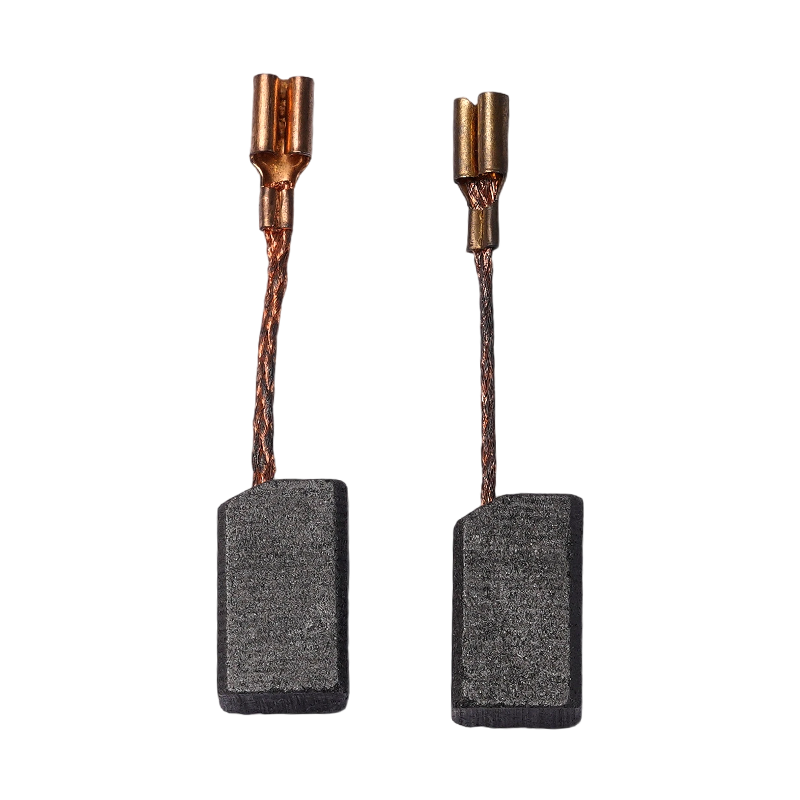
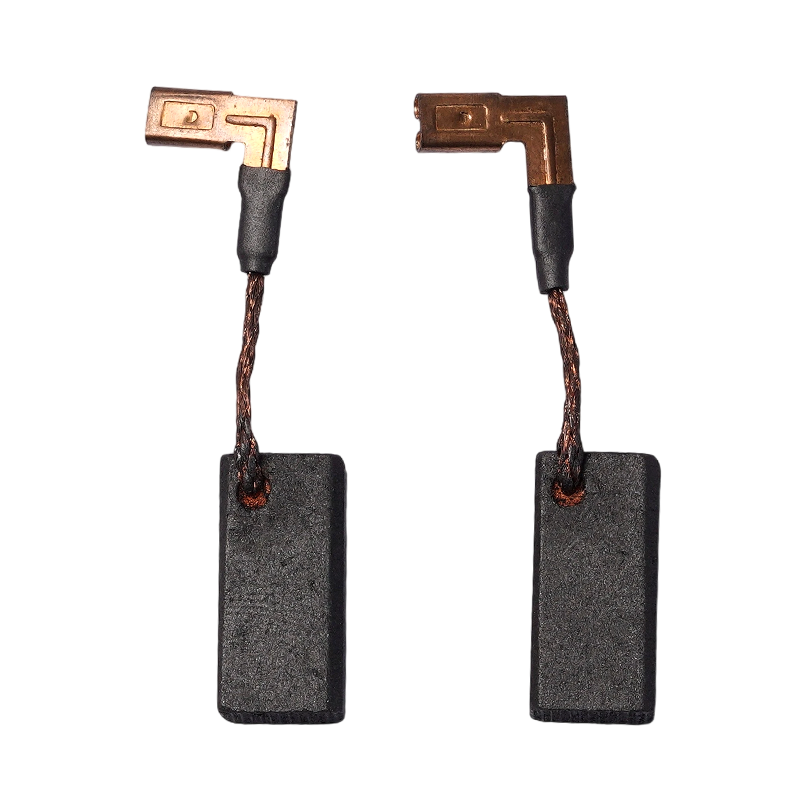
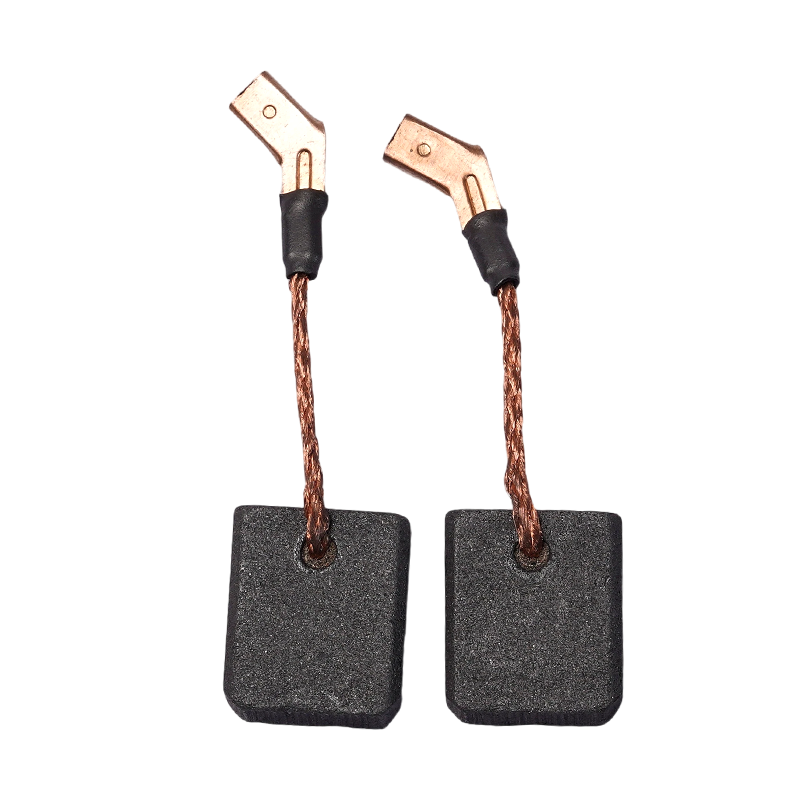
What Specialized Material Formulations and Dimensional Controls Ensure Power Tools Carbon Brushes For DEWALT Deliver Consistent Performance and Maximum Service Life?
Professional-grade power tools, particularly those utilized by tradespeople and heavy-duty industrial users under the DEWALT brand, impose highly stringent demands on their components. These tools are often subjected to prolonged continuous operation, substantial loads, and extreme thermal cycling. Power Tools Carbon Brushes function as the core interface for power delivery, requiring a sophisticated blend of material science and mechanical precision to guarantee optimal electrical transfer and predictable service life. The manufacturing process for these brushes must be perfectly consistent, a necessity recognized by Wholesale Power Tools Carbon Brushes For DEWALT Manufacturers operating on a global scale.
Material Engineering for Durability and Electrical Efficiency:
The material matrix is carefully formulated to manage consistently high current densities and robust peripheral speeds while resisting the abrasive wear caused by aggressive commutation and site debris.
Advanced Electrographitic Grades for High-Speed Applications: For tools emphasizing high speed and smooth finish, such as specialized sanders, laminate trimmers, and smaller routers, advanced electrographitic grades are typically employed. These materials are derived from high-purity carbon sources and undergo ultra-high-temperature processing. This treatment yields a dense, non-porous structure with exceptional purity and low inherent resistance. This specialized carbon structure possesses superior self-lubricating characteristics, which are fundamental to minimizing operational friction and reducing thermal stress at the commutator interface. The use of these refined grades effectively mitigates abrasive wear on the copper commutator, ensuring smooth operation and extending the overall motor health. The stability of these materials under thermal fluctuation is rigorously tested to prevent changes in electrical resistance during sustained operation.
Metal-Graphite Composites for Extreme Torque and Current: Tools like heavy-duty circular saws, large angle grinders, and rotary hammers generate significant current spikes, especially during startup or when cutting through dense materials. To sustain these intermittent peak loads, specialized metal-graphite composites are utilized. This material is engineered through precise powder metallurgy, where finely milled copper or other high-conductivity metallic powders are uniformly distributed within the graphite base. The mixture is compacted under immense pressure and sintered at specific temperatures to create a high-density, electrically robust structure. The metallic content drastically enhances the brush’s reliable conductivity and its ability to shunt heat away from the contact face, which is vital for thermal management under heavy, continuous use. The precise control of the metallic particle size and concentration is essential to strike a balance between maximizing electrical performance and retaining sufficient graphite lubrication to prevent excessive commutator wear.
Binder Systems for Structural Integrity and Vibration Resistance: In tools that produce high levels of mechanical impact and vibration, such as demolition hammers or reciprocating saws, the carbon block must demonstrate exceptional fracture toughness. This is achieved through specialized binder systems, often thermosetting resins that are uniformly permeated throughout the graphite matrix during the manufacturing cycle. These stabilization processes significantly boost the brush material’s mechanical resistance to chipping and structural degradation under rapid acceleration and shock. The resins are selected for their thermal endurance, ensuring they remain structurally sound and non-conductive at the high operating temperatures of a busy job site. This reinforcement guarantees that the brush maintains constant contact pressure and a consistent wear rate, which is a key indicator of long-lasting durability.
Commutation Film Management and Patina Optimization: The fundamental function of the brush relies on establishing and maintaining a stable protective patina, or film, on the commutator’s surface. Brushes designed as Power Tools Carbon Brushes For DEWALT are formulated to quickly develop this micron-thin layer. This film acts as the primary electrical interface and a vital boundary lubricant, minimizing arcing, friction, and wear. The composition includes specific trace elements that actively stabilize this film, ensuring its resilience even when exposed to contaminants, dust, and temperature variations typical of construction environments. This ensures the material provides consistent electrical performance across diverse operating conditions.
Dimensional Precision and Geometric Accuracy:
Given the high reliability expectations of the DEWALT user base, maintaining extremely fine dimensional tolerances in the manufacturing of replacement and original equipment brushes is paramount.
Ultra-Precision Tolerance Control: The physical size and shape of the carbon block are controlled to within very tight tolerances. This precision is essential for ensuring the brush moves freely and smoothly within the motor’s brush holder channel, preventing any possibility of binding or jamming. A brush that sticks due to poor fitment will quickly lead to intermittent contact, dangerous sparking, rapid commutator scoring, and subsequent motor failure. Specialized non-contact metrology systems are employed to measure and validate the parallelism, squareness, and overall size of the brush, ensuring repeatable fitment across millions of manufactured units destined for the high-volume aftermarket.
Optimized Contact Geometry and Manufacturing Finish: The parallelism of the contact face and the squareness of the sides are fundamentally important for ensuring the brush achieves uniform contact with the commutator surface. Advanced computer-numerical-control grinding and surface finishing techniques are used to achieve this geometry, significantly minimizing the run-in period required after installation. In addition, many brushes are manufactured with subtle, pre-defined profiles, such as slight tapers or specific radius contours, designed to optimize the initial contact patch and accelerate the uniform development of the protective commutation film, guaranteeing smooth operation from the first activation.
How Do Integrated Safety Mechanisms, Advanced Pigtail Technology, and Structured Quality Systems Guarantee DEWALT Power Tools Carbon Brushes Perform Reliably Over Time?
The assurance of long-term value, intrinsic user safety, and operational consistency in professional power tools is inextricably linked to the mechanical design and the consistent quality delivered by the manufacturer's supply chain. For high-performance DEWALT tools, the brush assembly must integrate seamlessly and function flawlessly under sustained electrical and mechanical stress.
Precision Mechanical Assembly for Durability:
The associated metallic and structural parts of the brush assembly are engineered to meet the same demanding specifications as the carbon material itself.
Advanced Pigtail Design and Thermal Management: The copper shunt, or pigtail, is tasked with safely conducting the motor’s full current load without generating excessive resistance or heat. The connection point to the carbon block is a critical reliability factor. Leading manufacturers employ high-energy bonding processes, such as specialized induction brazing or ultrasonic welding, to form a permanent, gas-tight, and extremely low-resistance connection. This strong metallurgical bond ensures the electrical path remains stable and resists degradation even under intense thermal cycling common in heavy-duty tools. The pigtail itself is constructed using high-strand, extremely flexible copper cable, which is specifically selected for its superior resistance to bending fatigue. This flexibility allows the cable to withstand constant movement as the brush wears down, ensuring long-lasting durability of the entire assembly.
Integrated Auto-Stop Mechanism for Component Protection: A key safety and preventative maintenance feature found in brushes for professional tools is the integrated auto-stop mechanism. This design incorporates a small, electrically conductive component or sensor that is precisely embedded within the carbon brush body. As the brush material wears down to its absolute minimum safe operational length, the sensor component loses contact with the commutator, intentionally and instantaneously opening the motor’s electrical circuit. This automated shut-off is critical. It prevents the metallic spring or brush holder components from making contact with the high-speed commutator, which is a severe safety hazard and the direct cause of irreparable motor damage. This feature ensures the brush acts as a clear, proactive warning and maintenance indicator, significantly supporting the overall long-lasting durability of the tool system.
Optimized Spring Systems for Consistent Contact Pressure: The spring system is the mechanical heart of the brush assembly, responsible for delivering and maintaining a uniform, precise contact pressure throughout the entire service life of the brush. Manufacturers utilize specialized, high-fatigue spring steel alloys that are engineered to ensure the spring force remains exceptionally consistent as the carbon block wears down. This constant, regulated pressure is paramount for preventing detrimental brush bounce, eliminating chattering, and suppressing erratic sparking. Such stability guarantees reliable motor performance and extends the lifespan of both the brush and the commutator. The spring’s force curve is carefully calculated to achieve the optimal balance: minimizing frictional drag while maintaining sufficient contact pressure for stable current transfer across the full range of motor loads and speeds.
Manufacturing Excellence and Quality Assurance:
The ability to consistently produce high-reliability Power Tools Carbon Brushes For DEWALT components at the necessary scale relies on structured quality management and advanced operational systems.
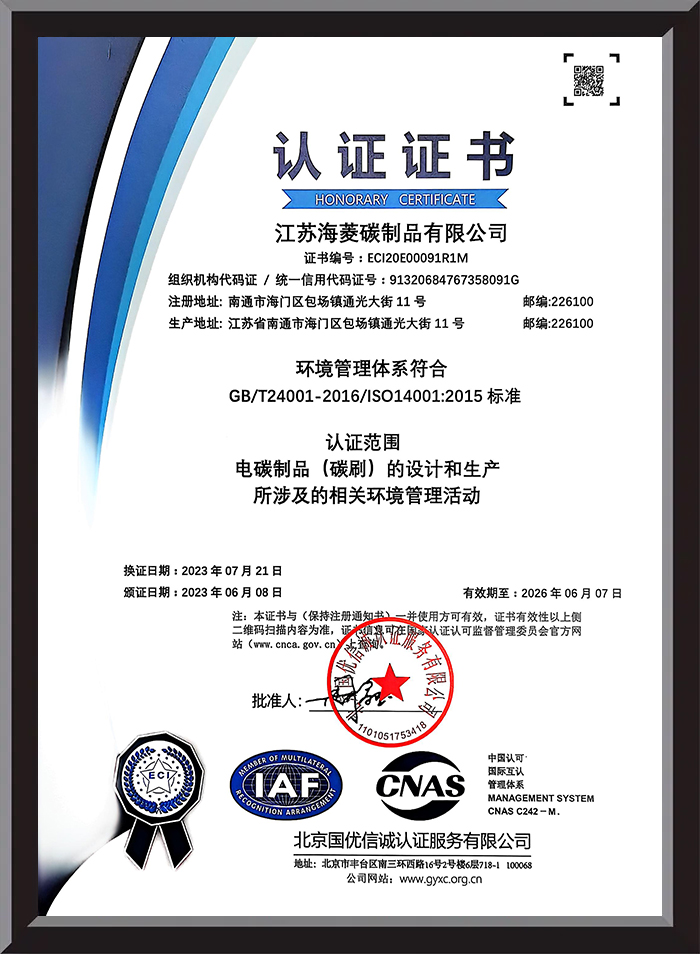
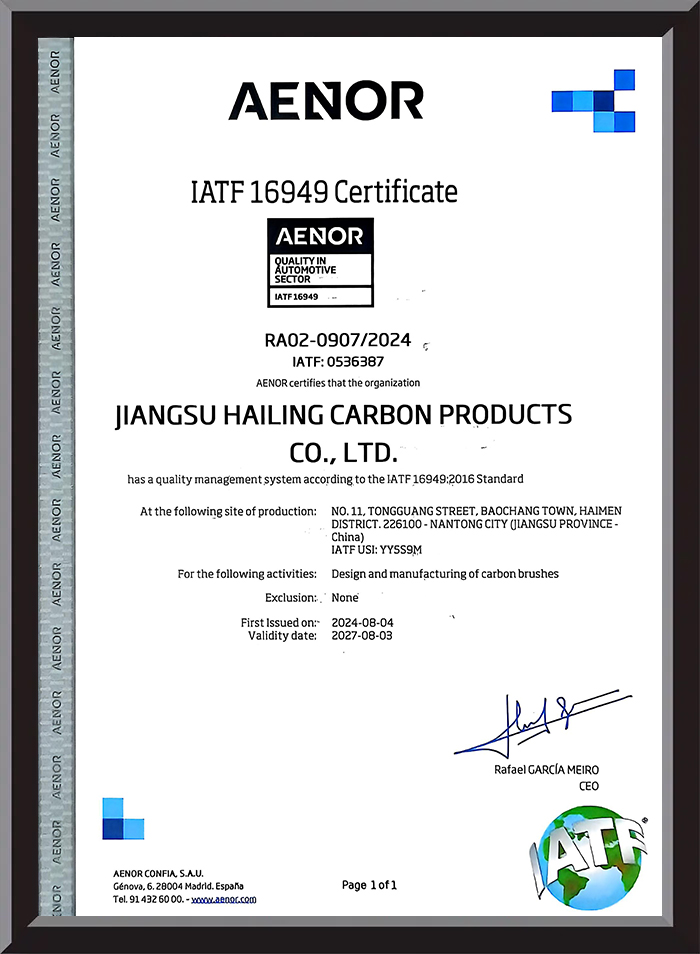
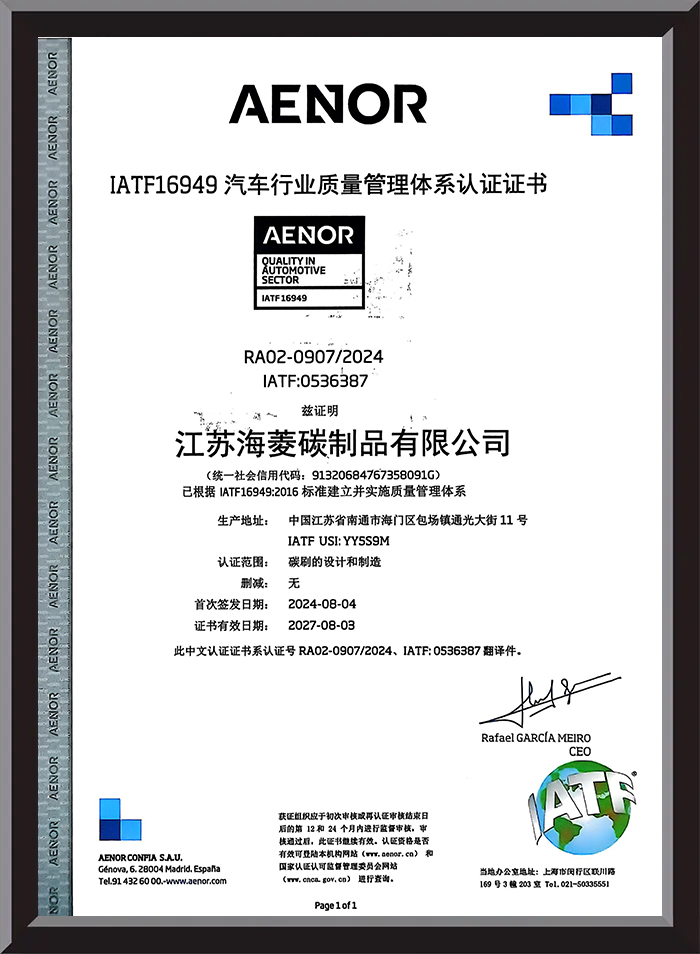
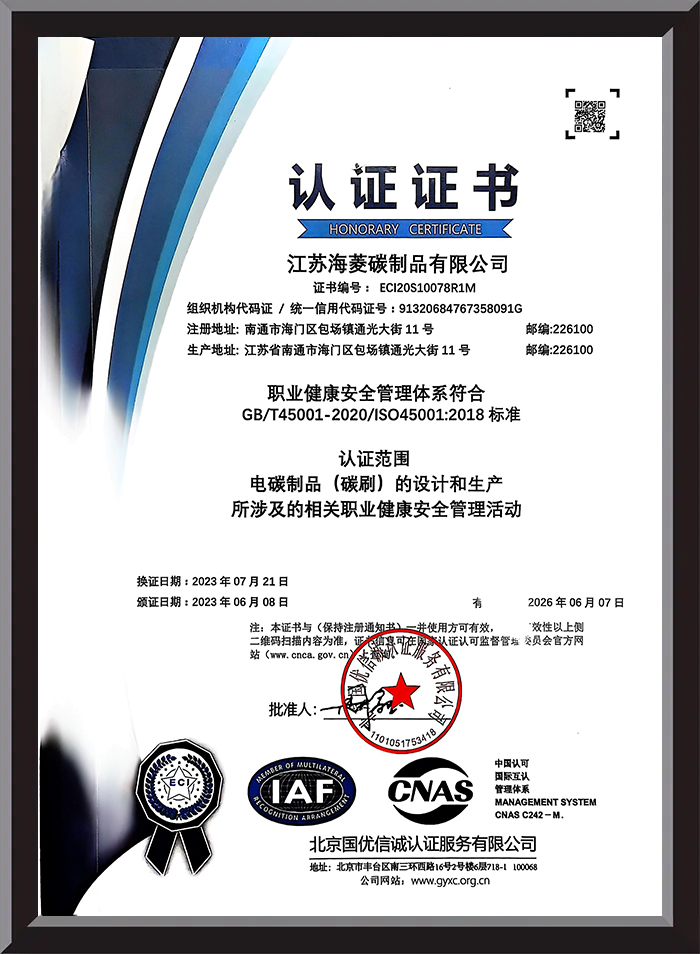
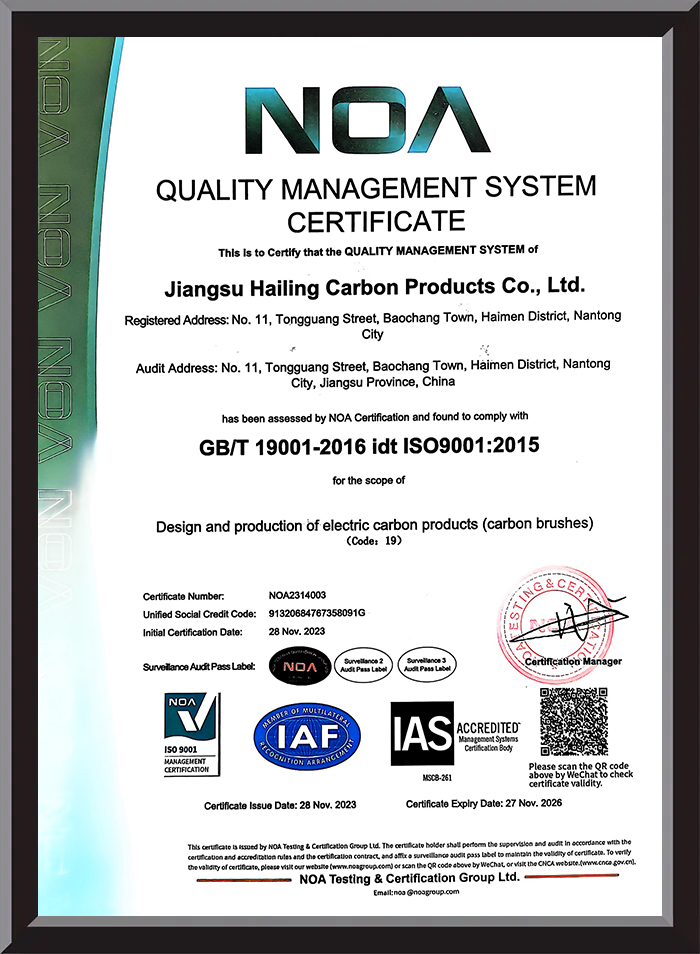
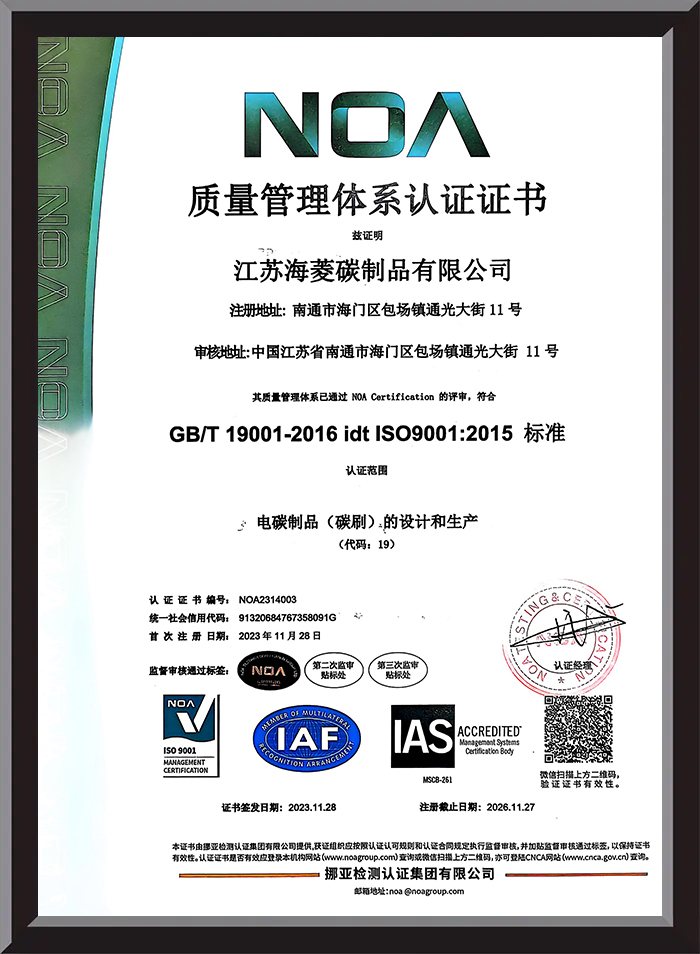
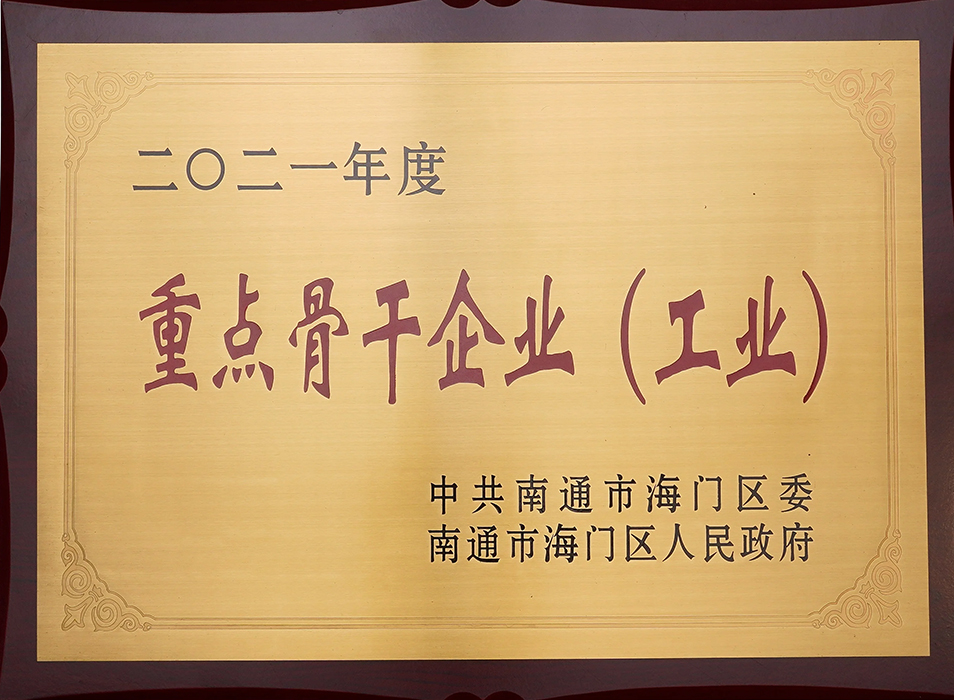
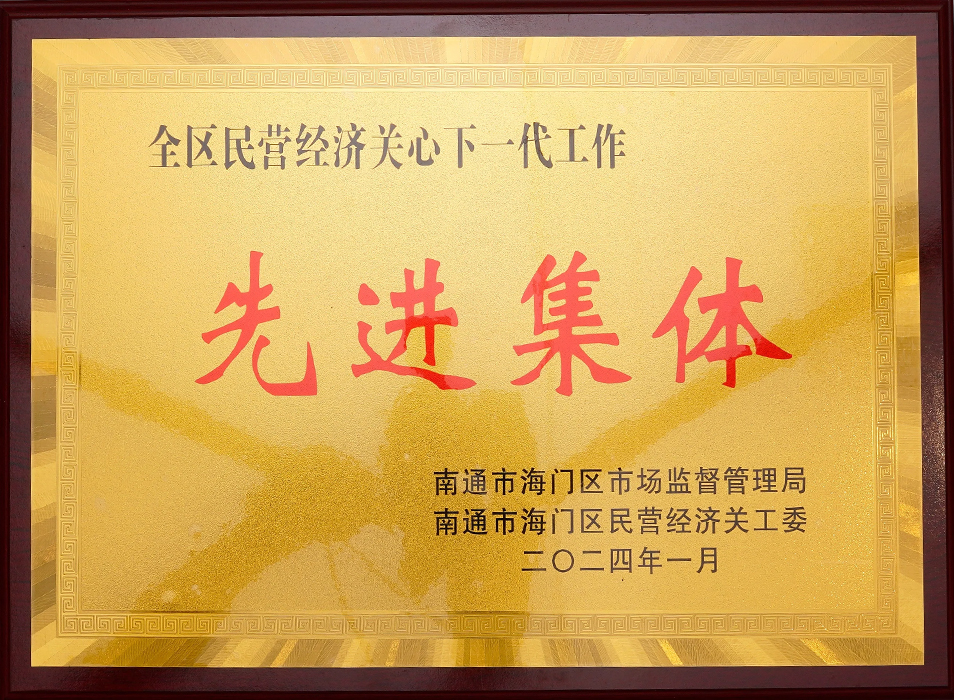
Jiangsu Hailing Carbon Products Co., Ltd. stands as a significant entity in this specialized supply chain. As a dedicated China Carbon Brushes For DEWALT Manufacturers and Grinder Carbon Brushes For DEWALT Suppliers, the company operates under the guiding principle of "Integrity in Operation, Quality First" and prioritizes "Brand Building, Independent Innovation." The manufacturer employs comprehensive quality management systems to ensure that every product batch meets precise performance specifications. The company’s internal operations are supported by the adoption of an advanced ERP system in production. This system provides critical, real-time management of batch consistency and allows for end-to-end traceability of components, from the initial raw material validation through to the final product testing phase. This systemic control is key to producing components with high uniformity and reliability at scale. This dedication to consistent quality has facilitated successful partnerships with various top domestic and international motor brands, ensuring their competitiveness within the global market for Wholesale Power Tools Carbon Brushes For DEWALT Manufacturers.
Performance Validation for Operational Reliability:
Comprehensive, rigorous testing protocols are non-negotiable for validating that the brushes can withstand the combined electrical, mechanical, and thermal stresses of real-world DEWALT power tool use.
Wear Performance and Lifespan Validation: Brushes are rigorously tested on customized rigs that precisely simulate the motor’s maximum rotational speed, rated current, and operating voltage. Data collection is continuous, recording precise wear rate measurements and monitoring the stability of the contact voltage. This analysis is crucial for accurately determining and predicting the service life of the brush. This predictive capability allows distributors and professional users to manage inventory and replacement schedules efficiently, thus guaranteeing sustained reliable motor performance.
Commutation Stability and Noise Control Testing: Specialized electrical analysis equipment is utilized to monitor the quality of current transfer during rapid acceleration, sustained load, and deceleration cycles. The degree of electrical noise, including radio frequency interference (RFI), and the potential for destructive arcing are meticulously measured and quantified. This comprehensive testing ensures the brush material delivers exceptional commutation stability across the entire operating range, which is directly correlated with maintaining smooth operation and long-term motor health. Minimizing electrical noise is also essential for meeting strict international electromagnetic compatibility standards.
Mechanical Strength and Fatigue Resistance Evaluation: The complete brush assemblies are subjected to controlled, high-frequency vibration and impact testing that accurately mimics the mechanical loads encountered by rotary hammers and impact drivers. This process validates the mechanical integrity of the carbon block and, critically, confirms the fatigue resistance and bond strength of the pigtail attachment. This validation ensures that the assembly will not experience premature mechanical failure due to physical stress, contributing directly to the component's long-lasting durability.
Product Application Profile and Performance Attributes for DEWALT Power Tools:
This reference table outlines the specific material and mechanical characteristics engineered into carbon brushes for various DEWALT power tool applications.
|
Tool Application Profile
|
Primary Material Grade Type
|
Commutation Stability Focus
|
Durability and Maintenance Attribute
|
|
Corded Hammer Drills and Impact Tools
|
High Copper Content Metal-Graphite
|
High-Capacity Current Transfer under rapid, variable loads
|
Features High Bond Strength and Reliable Conductivity under extreme mechanical shock
|
|
Large Capacity Angle Grinders
|
Specialized Metal-Graphite Composite
|
Superior Heat Dissipation and stable current density management
|
Engineered for High Thermal Resistance and Long-lasting Durability in continuous operation
|
|
High-Speed Routers and Trimmers
|
Refined Electrographite with High Purity
|
Optimized for Minimal Electrical and Acoustic Noise at Maximum RPM
|
Designed for Low Commutator Abrasion, promoting Smooth Operation and motor protection
|
|
Reciprocating Saws and Cut-Out Tools
|
Resin-Reinforced Carbon-Graphite
|
Enhanced Resistance to Mechanical Vibration and Rapid Directional Changes
|
Possesses Superior Structural Integrity for consistent reliable motor performance over time
|
|
Benchtop Saws and Miter Saws
|
Low Ash Electrographite
|
Excellent Film Formation under stable, high-current conditions
|
Provides extended component service life and high electrical efficiency for smooth operation
|
Moving forward, the manufacturer maintains its strategic focus on continuous technological innovation and the practice of lean management methodologies. This commitment allows them to adapt quickly to evolving motor designs and new performance requirements from global power tool brands. By consistently reinvesting in independent research and refining manufacturing practices, the company strengthens its foundational competitive position in the global Power Tools Carbon Brushes market, ensuring components meet the increasing demands for efficiency, operational longevity, and value.


 English
 中文简体
中文简体