Oct 07, 2026
So how does a carbon microphone work? The answer lies in a simple but powerful principle: sound pressure changes the electrical resistance of carbon granules. This concept powered the first telephone systems and remained in service for almost a century. Understanding the carbon microphone also provides useful context for modern carbon components such as brushes in electric motors.
A carbon microphone is a type of microphone that converts sound into an electrical signal by varying the resistance of a small pile of carbon granules. It was invented in the 1870s and became the standard transmitter in telephone handsets for many decades. Unlike modern electret or condenser microphones, a carbon microphone does not produce a voltage directly. Instead, it modulates the flow of current from an external battery. In that sense, it is closer to a variable resistor than to an active sensor.
The design is remarkably simple: a thin diaphragm, a chamber filled with loosely packed carbon granules, and two electrical contacts. Yet this simple construction was reliable enough to support global telephone networks, early radio broadcasting, and military communication systems for many years.
The operation can be described in six steps:
This is why a carbon microphone always needs a power source. The microphone does not generate the signal on its own; it only shapes the current flowing through it. The resulting audio signal is relatively strong, which made the carbon microphone attractive in the early days of telecommunications when amplifiers were expensive or unavailable.
Each part of a carbon microphone has a specific role in converting mechanical vibration into an electrical signal.
| Component | Function |
|---|---|
| Diaphragm | Vibrates in response to incoming sound waves |
| Carbon granules | Change electrical resistance when compressed or released |
| Back electrode | Completes the circuit through the carbon chamber |
| DC power source | Supplies constant current that the microphone modulates |
| Transformer | Couples the varying current signal to an amplifier or line |
The carbon granules are the heart of the microphone. Their electrical resistance depends on how tightly they touch each other. This contact resistance is sensitive enough to follow audible speech, yet stable enough to produce a usable output for telephone networks.
The carbon microphone was successful for a reason. It offered several practical benefits that made it ideal for early communication equipment.
These limitations eventually pushed carbon microphones out of everyday use. However, the material science behind them did not disappear. Carbon’s ability to conduct current while maintaining a controlled contact interface remains essential in many industrial products.
Carbon microphones were used in a wide range of audio and communication devices before solid-state electronics became dominant.
In all these applications, the goal was the same: convert speech into a strong electrical signal without relying on a powered amplifier. The carbon microphone did that with nothing more than a battery, a diaphragm, and a small quantity of specially prepared carbon.
At first glance, a carbon microphone in a telephone handset seems far removed from a carbon brush in an electric motor. Yet both devices rely on the same fundamental property: carbon’s ability to conduct electricity while maintaining a stable contact interface. In a carbon microphone, resistance changes with mechanical pressure. In a carbon brush, resistance must stay low and stable while a spinning commutator slides across the brush face.
If you want to understand the broader family of carbon contact components, our detailed article on how carbon brushes work explains how graphite materials transfer current between stationary and moving parts.
In power tools, for example, carbon brushes are a regular replacement item because they carry the high currents needed by universal motors while also withstanding the vibration of drilling, cutting, and fastening.
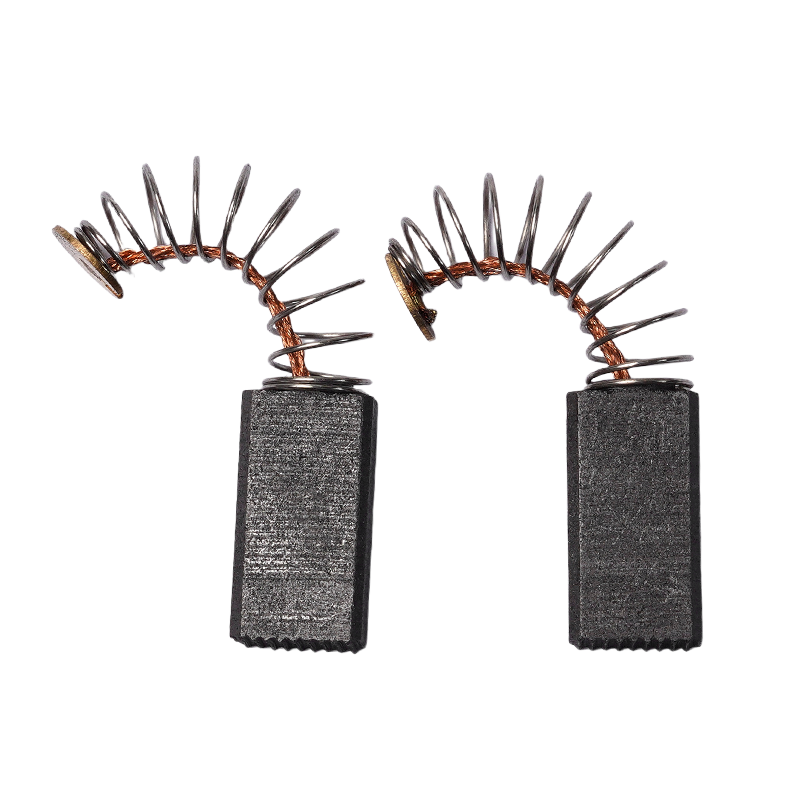 Power Tool Carbon Brushes for Universal MotorsThese replacement carbon brushes are built for high-current universal motors in drills, saws, and grinders. They resist vibration and wear, making them a practical choice for routine tool maintenance and repair.View Product →
In household appliances, carbon brushes operate inside compact motors that may run for thousands of hours. Vacuum cleaners, washing machines, and treadmills all depend on brushes made from carefully selected carbon grades to maintain consistent contact and low noise.
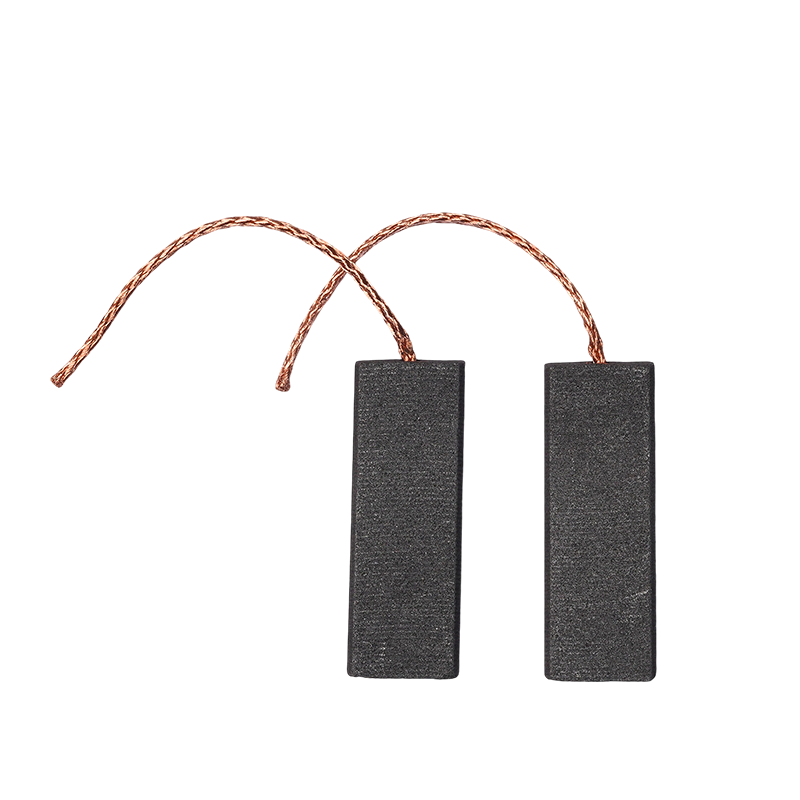 Carbon Brushes for Household Appliance MotorsThis range covers brushes for washing machines, vacuum cleaners, treadmills, and small kitchen appliances. They support long-running compact motors with consistent contact and low noise, ideal for appliance servicing.View Product →
Industrial applications raise the bar even higher. Wind turbines, air compressors, and robots require carbon brushes that can survive continuous duty cycles, extreme temperatures, and strict reliability standards. That is why manufacturers invest in material formulas and testing that go far beyond generic graphite blocks.
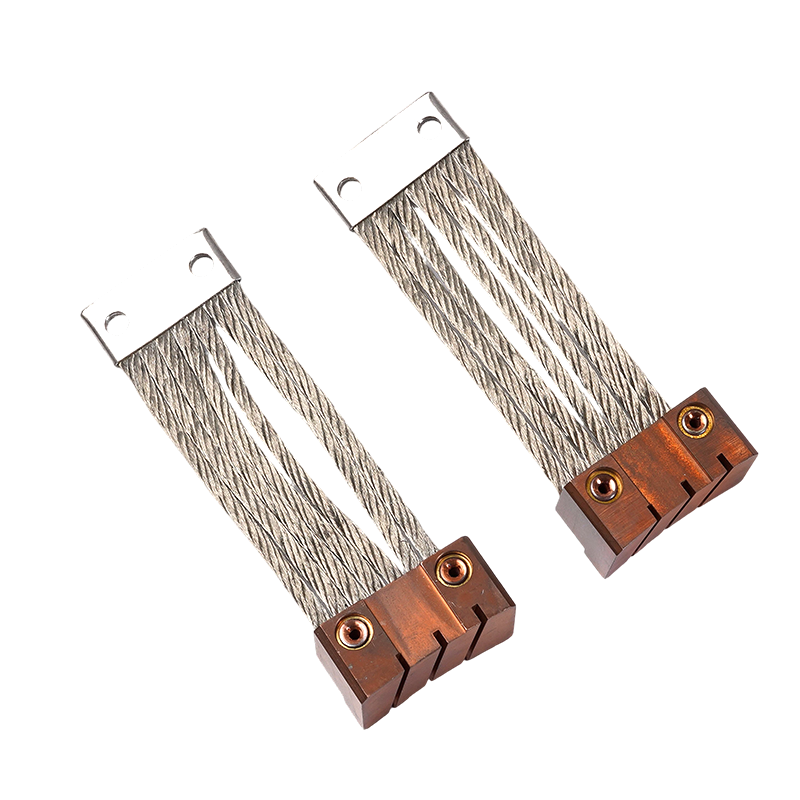 Industrial Motor Carbon Brushes for Heavy MachineryDesigned for demanding industrial equipment such as wind turbines, air compressors, and robots, these brushes meet strict reliability standards for continuous duty, high temperatures, and precise control.View Product →
Eventually, every motor carbon brush wears out. Knowing the warning signs is essential for keeping equipment running safely. Our carbon brush replacement guide outlines the common symptoms and measurement steps.
The carbon microphone is a reminder that carbon components are more than simple blocks of material. Grain size, packing density, contact pressure, and electrical resistivity all affect performance. The same thinking applies to modern carbon brush manufacturing. At Jiangsu Hailing Carbon Products, we select specific carbon and graphite grades for every application, then control the manufacturing process to achieve the right balance of conductivity, hardness, and wear resistance.
For a telephone microphone, the carbon granules had to be small enough to follow speech vibrations but durable enough not to crush under pressure. For a carbon brush, the material must support high current density, low sparking, and predictable lifetime. These are very different requirements, but they come from the same engineering mindset: understanding exactly how carbon behaves under electrical and mechanical stress.
A carbon microphone works by turning sound pressure into a variable resistance that modulates a direct current. This elegant concept made early telephone communication possible and demonstrated the practical value of carbon in electrical engineering. Today, carbon brushes continue that legacy by using carefully engineered carbon materials to maintain reliable electrical contact in motors and generators.
The fundamental science is only half of the story. The quality of the carbon, the precision of the manufacturing process, and the testing behind each batch determine how well a component performs in real equipment. That is where experience, process control, and a deep understanding of carbon materials make the difference.

Phone:
+86-183 6280 9971
+86-513 8277 2222
Email:
 Custom Motor Carbon Brushes Manufacturers


 English
 中文简体
中文简体