Sep 30, 2026
If you have ever opened up a failing angle grinder or pulled a washing machine motor apart, the carbon brush is usually the part that gets blamed, and it is also the part that fixes the problem. How long do carbon brushes last? The short answer is that most brushes deliver between 1,000 and 3,000 hours of actual motor running time, but in power tools that figure can drop to 50-300 hours of heavy use. The honest answer depends on the application, the working environment, and the quality of the brush itself. As a carbon brush manufacturer with more than two decades of production experience, we want to give you a clear, practical picture of what to expect.
The question of how long carbon brushes last in power tools is the one we hear most often, and it deserves a closer look. Whether you maintain a workshop full of drills or manage an industrial wind farm, the same rule applies: understand the wear rate, monitor the signs, and replace before failure.
Most online advice gives two different answers to the same question because it uses two different measures. A brush can last five years inside a tool that runs twice a month, while the identical brush is worn flat in three months of daily professional use. That is why we always quote brush life in operating hours.
| Application | Typical life (operating hours) | Typical calendar life |
|---|---|---|
| Power tools (universal motor, heavy use) | 50-300 hours | 3 months - 2 years |
| Household appliances (washers, vacuums) | 1,000-3,000 hours | 3-10 years |
| Automotive motors (wipers, fans, blowers) | 1,500-4,000 hours | 5-10 years |
| Industrial motors (wind turbine, compressor, forklift) | 2,000-10,000 hours | 5-15+ years |
You will notice the power-tool row is the shortest. Universal motors spin at 15,000 to 30,000 rpm, so the brush slides against the commutator with far more friction and heat than a washing machine motor ever generates. For this reason, power-tool brushes should be treated as a wear component, not a fit-and-forget part.
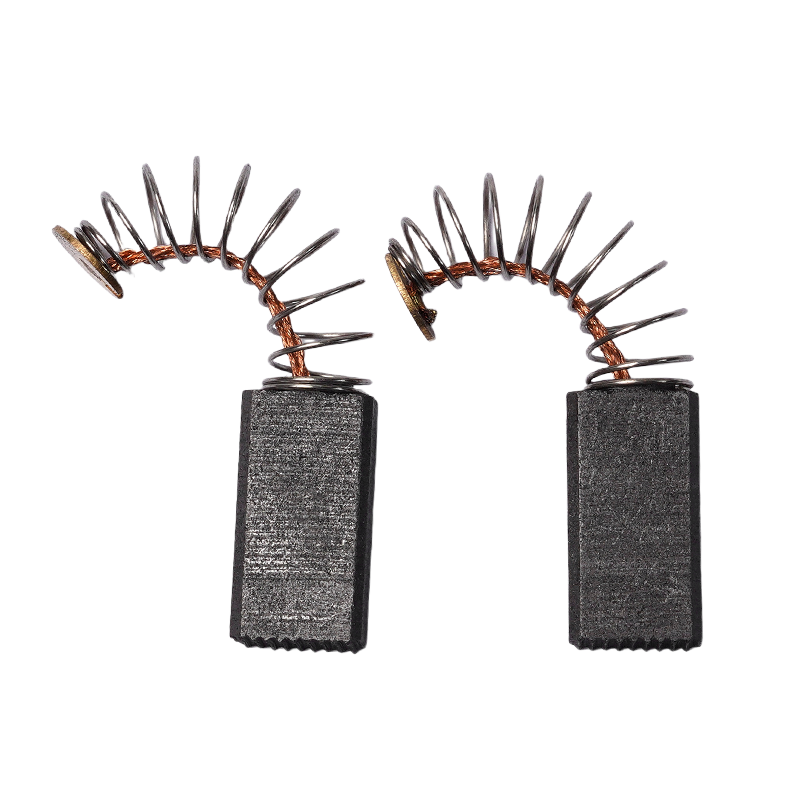 Universal Power Tools Carbon Brushes SuppliersPremium 2-20 carbon brush for power toolsView Product →
Universal motors in drills, angle grinders, circular saws and blowers run at very high speed and are frequently operated under overload. The carbon brush is intentionally the sacrificial part: it wears down before the commutator is damaged. In normal DIY use, 100-200 hours of actual cutting or drilling time can stretch over several years. In professional use, that same wear allowance can be consumed in a few months. Check the brushes in any tool that runs hot or that earns you a living. A quick visual check every few weeks is the best habit for anyone who uses grinders or routers daily. Look at the brush through the access cap and compare the remaining length with a new one.
We manufacture replacement brush sets for dozens of power-tool models, and the carbon grade you install makes a measurable difference in how long the set survives.
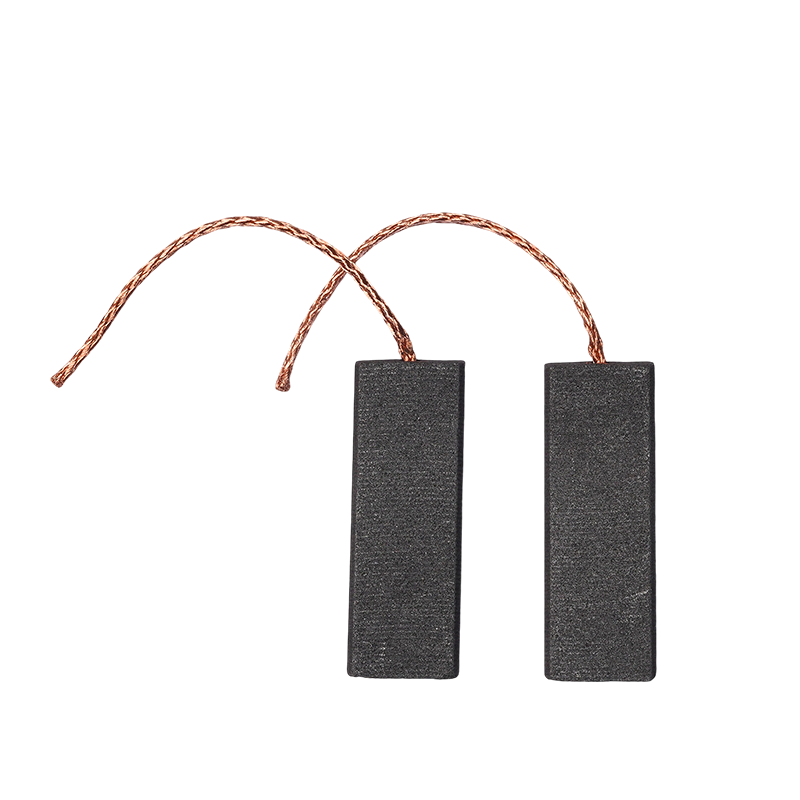 Washing Machine Carbon Brushes SuppliersWashing machine carbon brush without springView Product →
Washing machine and vacuum cleaner motors are slower and less heavily loaded than power-tool motors, and their duty cycle is short. A full wash cycle may drive the motor for only a few minutes of actual running time. Manufacturers generally rate these brushes for 1,000 to 3,000 hours of motor operation, which commonly translates into years of ordinary household service. Treadmills are the exception because they can run for hours every day; treat them as a heavy-duty application rather than a light household one.
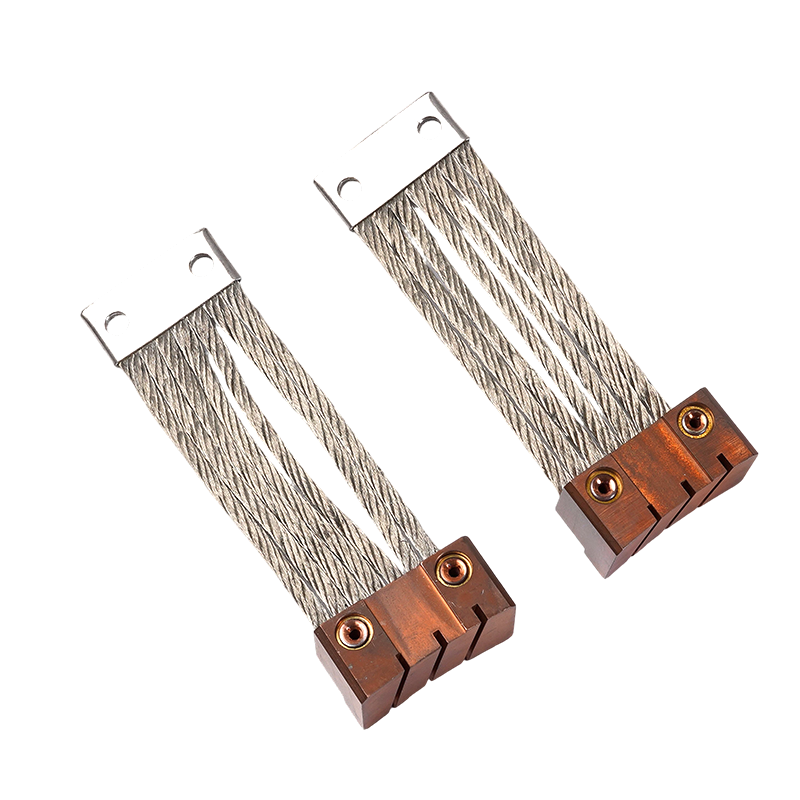 Wind Turbine Carbon Brushes SuppliersWind Turbine Generator Carbon BrushView Product →
Industrial machines such as wind turbines, air compressors, robotics axis drives and forklift traction motors operate under controlled conditions with steady loads. Brushes in these applications commonly last 2,000 to 10,000 hours, and some light-duty installations go well beyond that. Industrial maintenance teams usually replace these brushes on a scheduled plan rather than waiting for failure, because unplanned downtime costs far more than the brush itself.
Automotive accessory motors - windshield wipers, cooling fans, blowers and window regulators - also run intermittently, so their brushes often last the life of the vehicle or at least five to ten years of normal driving.
No two motors wear out a brush at exactly the same rate, but the following six factors explain most of the difference we see in returned samples and field reports.
If any of these appear, inspect the brushes before the motor is damaged. A ten-minute check is far cheaper than a new armature or a new tool.
The spread between a 300-hour brush and a 3,000-hour brush is usually not luck. It is material selection, manufacturing consistency and quality control. At Jiangsu Hailing Carbon Products we compound and bake our own carbon mixes, control hardness and resistance batch by batch, and test every production run before it ships. Consistent raw material and a controlled sintering process are what keep the wear rate predictable, and a predictable brush is an easy brush to schedule around.
If you want a reliable replacement interval for a specific machine, start by checking the brushes after every 50 working hours for power tools and every few months for appliances. If you look at the brushes on a regular schedule, you will never be far from replacement time. You can also browse the full range of brushes we manufacture to see what is available for your equipment.

Phone:
+86-183 6280 9971
+86-513 8277 2222
Email:
 Custom Motor Carbon Brushes Manufacturers


 English
 中文简体
中文简体