Oct 20, 2026
If you have ever wondered why a small electric motor spins so reliably, the answer often comes down to a humble but brilliant component called the commutator. This copper-and-mica cylinder sits on the motor shaft and works hand in hand with carbon brushes to keep the rotor turning in the same direction. For anyone using power tools, household appliances, or automotive motors, understanding how a commutator works helps you appreciate the role of the carbon brushes seated against it—and why their condition matters so much.
At its simplest, a commutator is a cylindrical switch made of copper segments, each insulated from the next by a thin layer of mica. These segments are connected to the armature windings inside the motor. As the rotor spins, the commutator rotates with it. Carbon brushes remain stationary, pressing against the outer surface of the commutator by spring tension. The interface between brush and commutator is the point where electrical current transfers into the spinning windings.
Understanding this layout is the first step in answering the question "how does a commutator work?" The copper segments are not all electrically connected; instead, each connects to a specific coil on the armature. That segmentation is what allows the commutator to reverse the current direction at just the right moment. It is essentially a rotating switch, timed by its own geometry, and its reliability depends on the accuracy of the segment spacing and the condition of the brush contact.
Commutators are found in a wide range of motors, from tiny DC units in toys and trimmers to large traction motors in locomotives. Despite the size difference, the fundamental principle remains identical: convert electrical energy into continuous rotational motion by switching current at the precise moment the rotor reaches the dead point.
The beauty of a commutator is that it performs the switching automatically, using the motor's own rotation. Here is the process in simple terms:
This seamless switching is why the commutator has remained a mainstay in DC motors since the early days of electromechanical engineering. Without it, a DC motor would stall after half a turn, because the magnetic field would try to reverse direction. By reversing the current at 180 degrees of rotation, the commutator ensures that the rotor is always pulled in the intended direction.
For motors that operate on alternating current but still use a commutator—such as universal motors in power tools—the switching principle remains similar, though the timing is slightly different. Universal motors rely on the same brush-commutator assembly to provide torque at high speeds, which explains why they remain popular in drills, angle grinders, and other portable equipment. To explore the construction and materials that make this possible, take a look at our range of power tool carbon brushes.
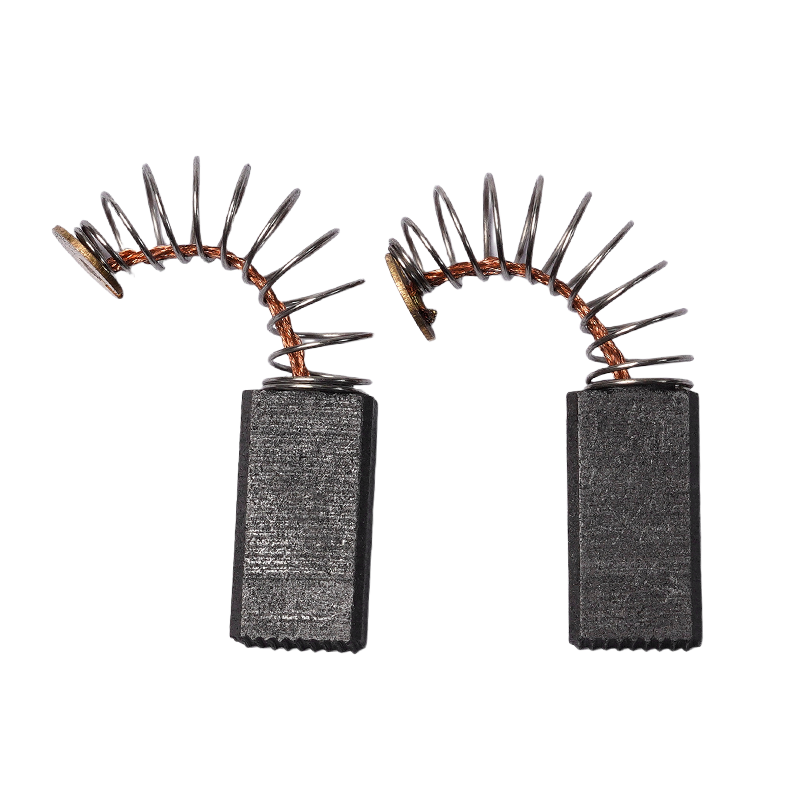 Power Tool Carbon Brushes for Universal MotorsExplore a range of carbon brushes designed for universal motors in drills and grinders, ensuring stable operation and durable performance.View Product →
Carbon brushes are not passive passengers in this process. They conduct electricity, carry the current into the commutator, and also act as a sacrificial wear surface. The carbon material is chosen for its self-lubricating nature and moderate hardness, which protects the copper commutator from excessive wear while still providing a reliable electrical path.
In real operation, a thin film of graphite builds up on the commutator surface. This film is beneficial; it reduces friction and helps the brush ride smoothly. That is why new carbon brushes often need a brief seating-in period before they reach optimal performance. The quality of this contact directly affects motor efficiency and sparking. Poorly matched or worn brushes can cause visible sparking, overheating, and eventual damage to both the brushes and the commutator.
Automotive starter motors are a classic example where brush-commutator interaction is pushed to its limits. Cold mornings, heavy loads, and rapid switching demand brushes that hold up under stress. The brush grade must balance low wear rate against adequate film formation on the commutator. Our automotive carbon brush line is engineered for such environments, with materials developed through years of testing in automotive applications.
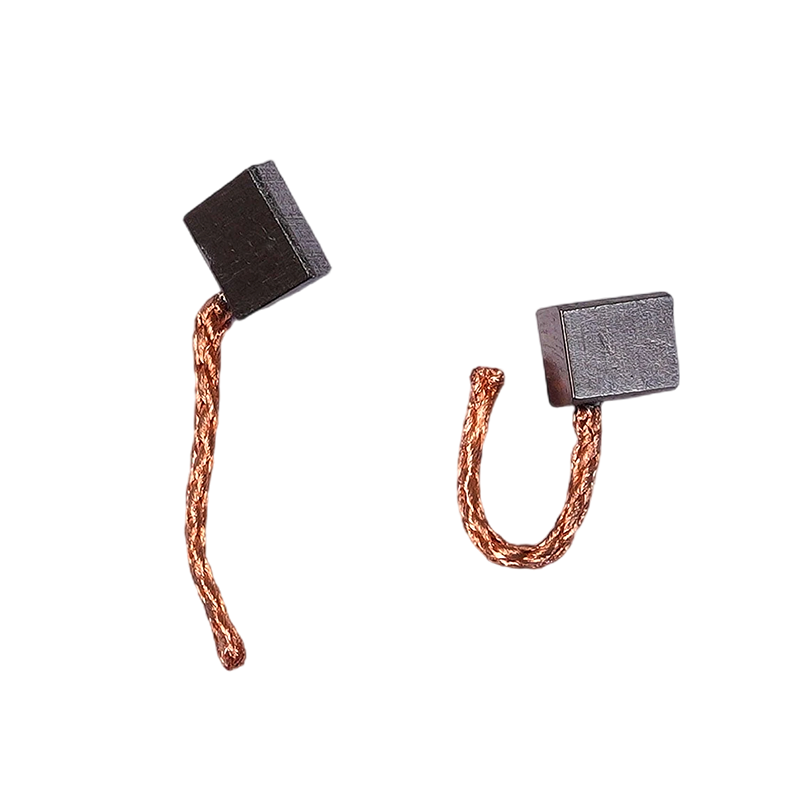 Automotive Motor Carbon Brushes for Reliable StartingThese brushes are engineered for automotive starter and wiper motors, balancing wear resistance and film formation under demanding conditions.View Product →
A commutator can wear in several ways, and each tell-tale sign points to a specific cause. Here is a simple reference table that we use when guiding customers through motor fault diagnosis:
| Visual Sign | Likely Cause | Recommended Action |
|---|---|---|
| Dark, uneven discoloration | Overload or weak spring tension | Check brush springs and motor load |
| Grooves or ridges | Contaminants or abrasive brush grade | Clean commutator and verify brush material |
| Excessive sparking | Worn brushes or open armature coil | Replace brushes and test armature continuity |
| Mica high spots | Hard brush leading to slow commutator wear | Undercut mica or change brush grade |
Intermittent contact and sparking mean the throughput of current is unstable, which can reduce torque and raise the motor temperature. Regular inspection of commutator and brushes is one of the simplest ways to extend the life of motors used in washing machines, vacuum cleaners, and industrial equipment. Pay attention to the commutator surface when you replace brushes; its appearance often tells you more about the motor's health than the brushes themselves. For a deeper look at what carbon brushes do inside these machines, our comprehensive guide on how carbon brushes work is a useful resource.
Because the commutator and brush assembly is a matched system, selecting the right brush grade is just as important as checking the commutator itself. Factors such as current density, peripheral speed, and humidity of the operating environment all influence the ideal carbon grade. At Jiangsu Hailing Carbon Products, we have spent more than 20 years manufacturing carbon brushes that keep commutators running reliably across power tools, household appliances, automotive motors, and industrial machinery. Our engineers consider the whole commutation environment when recommending a custom brush material.
For industrial motors like those used in wind turbines and robotics, downtime is expensive. That is why we design brushes with predictable wear life and stable contact resistance. We invite you to explore our industrial motor brush catalogues and see how we approach bespoke solutions for demanding commutator applications.
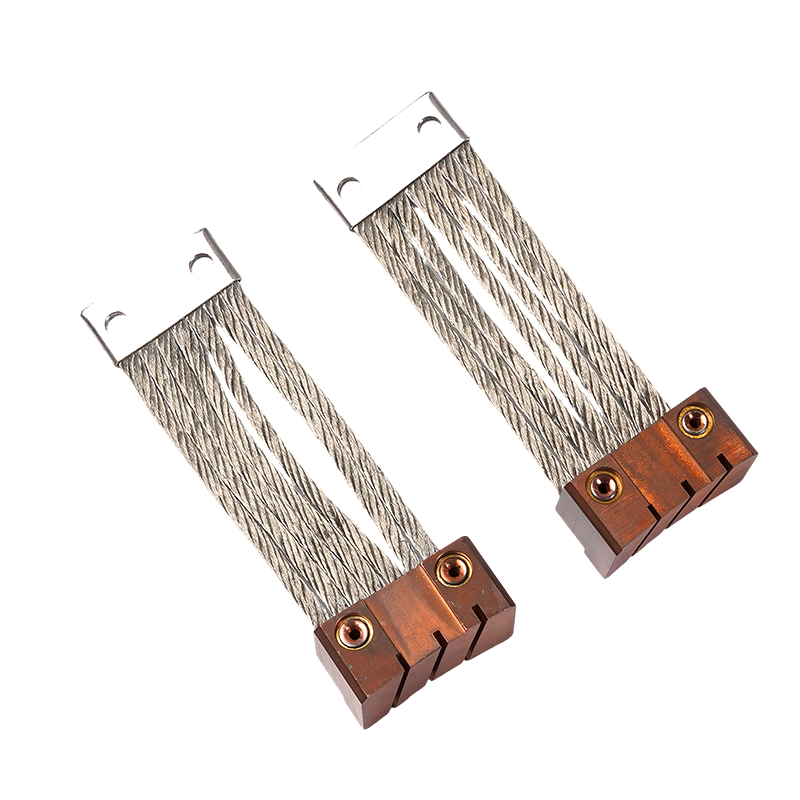 Industrial Machinery Carbon Brushes for Demanding ApplicationsDesigned for wind turbines, robots, and compressors, these brushes offer predictable wear and stable contact resistance to minimize downtime.View Product →
Understanding how a commutator works reveals just how much depends on the bond between copper segments and carbon brushes. The next time you hear a smooth-running motor, you will know that inside it, a small mechanical switch and two carbon brushes are performing a miniature symphony of electrical timing. Look after them, and they will keep turning quietly for thousands of hours.

Phone:
+86-183 6280 9971
+86-513 8277 2222
Email:
 Custom Motor Carbon Brushes Manufacturers


 English
 中文简体