Oct 22, 2026
Battery corrosion is one of those problems that shows up quietly. A faint crust around a terminal, a cordless tool that begins to hesitate, a car that cranks slower than it used to — these are the familiar early signs. But how do batteries corrode in the first place, and what does that corrosion mean for the devices they power? Understanding the mechanism is the first step toward prevention, and for anyone who relies on motors, it is also a reminder that corrosion can reach far beyond the battery itself. Over the years, we have seen countless motors arrive at our facility with worn carbon brushes, and in many cases the root cause was not the brush at all. It was upstream — in the power supply, the connections, or the battery. This article explains the corrosion process, how to prevent it, and when it is time to replace the components that sit at the heart of the motor.
Battery corrosion is a chemical process that takes place at the battery terminals or within the battery casing. It usually appears as a powdery deposit — white, green, or blue — around the metal contacts. The deposit is typically a metal salt that forms when the terminal metal reacts with the electrolyte and oxygen in the air. In lead-acid batteries, the same process is accelerated by hydrogen gas released during charging; in alkaline batteries, it is often caused by potassium hydroxide leaking from the cell.
Regardless of the chemistry, corrosion does more than look unsightly. It creates an insulating layer on the contact surface, increases electrical resistance, and disrupts the flow of current. Over time that small resistance can cause significant performance loss, especially in high-current applications like electric motors.
Several conditions encourage corrosion to develop. Knowing these causes makes it easier to prevent the problem before it takes hold.
Not all battery corrosion looks the same, and the differences matter when you are trying to diagnose a problem. The table below summarises the most common patterns.
| Battery Type | Common Cause | Typical Appearance |
|---|---|---|
| Alkaline (household) | Potassium hydroxide leakage | White, fluffy crust |
| Lead-acid (automotive) | Hydrogen gas venting and acid splash | Blue-green or white deposits |
| Lithium-ion | Terminal oxidation, rarely external leakage | Dark or discoloured contacts |
Recognising these patterns helps determine whether cleaning is enough or whether a replacement is required. In many cases, the appearance of the corrosion can also tell you which part of the battery failed — a useful clue when you are deciding how to proceed with a repair.
This is where battery corrosion stops being just a battery problem and becomes a motor problem. When the terminals corrode, the increased resistance reduces the voltage reaching the motor. The motor responds by drawing more current to maintain its output. That extra current generates additional heat, and heat is the enemy of carbon brushes.
In cordless power tools, the effect is often the first noticeable sign: the tool runs sluggishly, sparks more visibly through the vent slots, or stops intermittently under load. What many users do not realise is that the real damage is happening inside the motor, where the brushes are wearing faster than they should. A tool that repeatedly runs under low-voltage, high-current conditions will eventually need new brushes, or more seriously, a new armature.
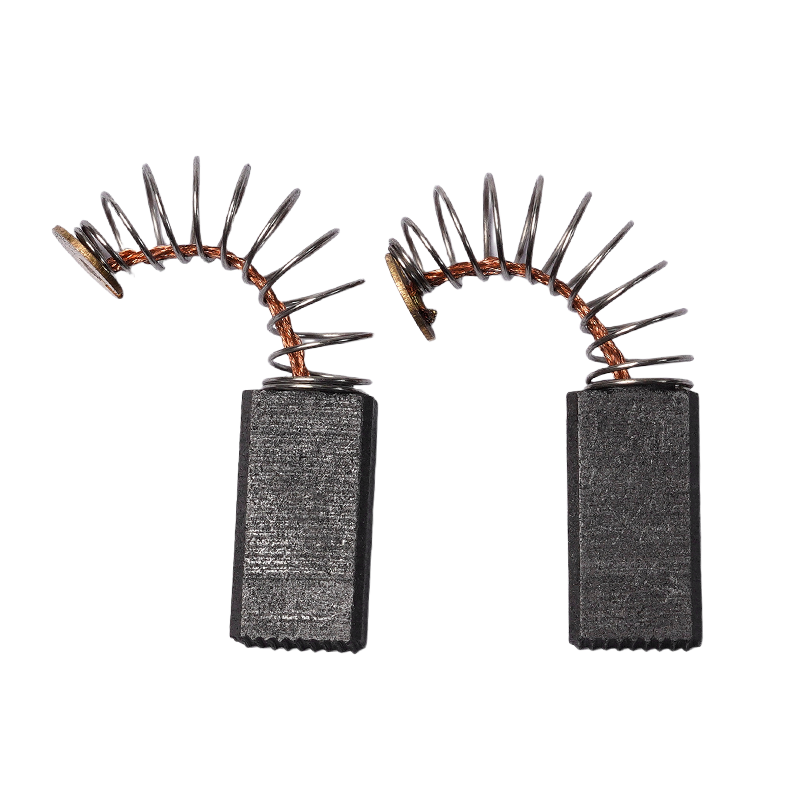 电动工具碳刷系列:可靠导电与持久性能低电压高电流工况会加速碳刷磨损,本系列提供适用于博世、牧田等品牌的多种型号,帮助用户完整检修电气路径。View Product →
For a brush manufacturer, this is a pattern we see daily. The brush is the mechanical and electrical interface between the fixed wiring and the rotating part of the motor. Any disturbance upstream in the power supply — including corroded battery contacts — shows up at the brush first. That is why we always recommend inspecting the entire electrical path, not just replacing the worn part.
The same logic applies to vehicles. A corroded car battery terminal raises resistance in the starting circuit, forcing the starter motor to work harder. The starter motor's carbon brushes are designed for a certain duty cycle, and running them under over-current conditions shortens their life considerably. If a car is slow to crank and the battery terminals show heavy corrosion, cleaning the terminals may solve the immediate symptom, but the starter brushes may already be compromised.
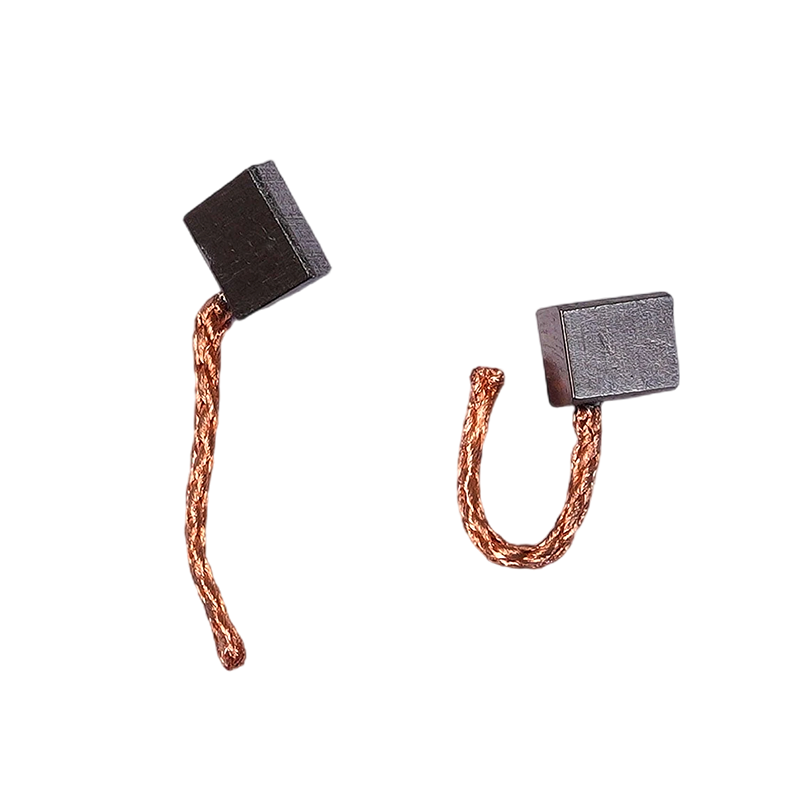 汽车电机碳刷:应对电压波动与腐蚀影响电池端子腐蚀会导致起动机、雨刮电机等过载运行,本类别碳刷专为这些常用电机设计,延长寿命并保障可靠维护。View Product →
The principle extends to other automotive motors as well, including windshield wiper motors and cooling fan motors. These small motors run less frequently, but they are just as sensitive to supply voltage. Corrosion at the battery or along the wiring harness can cause them to operate at reduced performance, which in turn accelerates brush wear. Routine inspection of both the battery and the motor brushes should be part of any vehicle maintenance schedule.
Prevention is straightforward in most cases, and it pays off. Here are the habits that keep corrosion from taking hold:
When prevention fails and you are replacing batteries or brushes, it is worth investing in quality components. A well-made carbon brush tolerates electrical stress better and lasts longer, especially in equipment that has already seen rough conditions. If you want to dig deeper into the subject, our guide to how carbon brushes work and when they need replacement offers a practical overview.
Cleaning and maintenance can only go so far. If a battery terminal has corroded to the point where the metal is pitted or the casing is cracked, replace the battery. Continuing to use a leaking battery risks damage not only to the device's contacts but also to the motor itself. Inside the motor, corrosion on the commutator surface can ruin the contact quality between the commutator and the brushes. Once that surface is scored, the brushes will wear rapidly no matter how new they are.
For motors, the rule of thumb is simple: after a battery-related electrical fault, inspect the brushes. Signs of uneven wear, heavy sparking, or shortened runtime in a cordless tool all point to the same conclusion. If the brushes are near the end of their service life, replace them as part of the repair. Our experience across power tools, appliances, and automotive motors confirms that a small investment in fresh brushes prevents a much more expensive failure down the line. The lifespan of a brush is closely linked to the electrical health of the entire system, so keep an eye on the connections that feed it.
Battery corrosion is not merely a cosmetic issue. It begins with a chemical reaction at the terminals, spreads through poor electrical contact, and finds its way into the motor, where carbon brushes bear the brunt of the damage. By understanding the causes, recognising the warning signs, and keeping up with simple maintenance, you can extend the life of both your batteries and your motors. And when the time comes to replace worn components, choosing quality brushes from a manufacturer who understands these failure patterns makes all the difference.

Phone:
+86-183 6280 9971
+86-513 8277 2222
Email:
 Custom Motor Carbon Brushes Manufacturers


 English
 中文简体