Sep 18, 2026
When a vacuum cleaner begins to spark and lose suction, or a power tool slows under load, the first suspect is often a carbon brush. In my experience, the brush dimensions are the quickest thing to verify before replacing the whole motor. A brush that is even 2 mm too short or 0.5 mm too thin can change the contact pressure and current density, producing the exact symptoms you are seeing. That is why this guide starts with a direct conclusion: carbon brush dimensions matter, and they are measured as width × thickness × length in millimeters. Understanding these three numbers, and the tolerances around them, will help you avoid most replacement mistakes.
Carbon brushes are small parts, but they perform a large job. They conduct current from a stationary part to a rotating commutator, and they also control the electrical contact resistance. The dimensions of the brush determine how much of the commutator surface it covers, how much current it can carry, and how much spring pressure it receives from the brush holder.
Think of a 7×11×32 mm brush. The 7 and 11 mm are the cross-section dimensions that define the contact area. The 32 mm length is the height that fits in the holder and sits against the spring. If you use a 7×11×36 mm brush, the longer body pushes the spring further back, so the actual spring pressure on the commutator drops. The brush may then bounce at speed, causing arcing and rapid wear.
The practical impact is straightforward: a slightly wrong dimension is not a cosmetic issue; it can shorten the motor's life, damage the commutator, and even cause a safety issue in high-speed tools.
Width and thickness are the two dimensions measured across the brush's rectangular cross-section. They appear first in a dimension string, for example 6.3×12.5×36 mm. The width is usually the smaller side, and the thickness is the larger side. Together they define the brush's cross-sectional area, which directly determines the current density.
For a given motor current, a smaller cross-section raises the current density and the heat generated. If the cross-section is too large, the brush may not slide freely in its holder, causing sticking and inconsistent contact. In new designs, the cross-section is calculated using the expected current and the recommended current density of the brush material.
The length, sometimes called height, is the dimension along the brush holder axis. It is the third number in the dimension string. The length is critical because it determines how far the brush can travel as it wears, and how much spring force the holder applies.
When you replace a brush, the length of the new brush should match the original specification. A brush that is 2 mm longer than original introduces a different spring deflection. A brush that is too short may not reach the commutator at all after only a short time of operation.
The safest way to measure a carbon brush is with a digital caliper that reads in millimeters. Do not use a worn brush as the sole reference if it has already lost material. Here is the process I recommend.
Some carbon brushes have part numbers printed on the back. If you can find that number, it is the fastest route to the correct dimension. But even with a part number, it is wise to verify the dimensions with your own caliper. For a more detailed reference on measuring brushes in different applications, see our complete guide to determining carbon brush size.
Although every brush design has its own specification, some typical size ranges appear across common devices. The table below gives a quick picture. These are examples, not a substitute for measuring the actual brush.
| Application | Typical Dimensions (W×T×L mm) | Recommended Material Family |
|---|---|---|
| Household appliance (washing machine) | 5×12.5×32 | Electrographitic |
| Household appliance (vacuum cleaner) | 6.3×12.5×36 | Electrographitic |
| Power tool (general purpose) | 6×16×22 | Metal-graphite or electrographitic |
| Automotive windshield wiper motor | 5×8×32 | Metal-graphite |
| Wind turbine generator | 25×32×80 | Electrographitic |
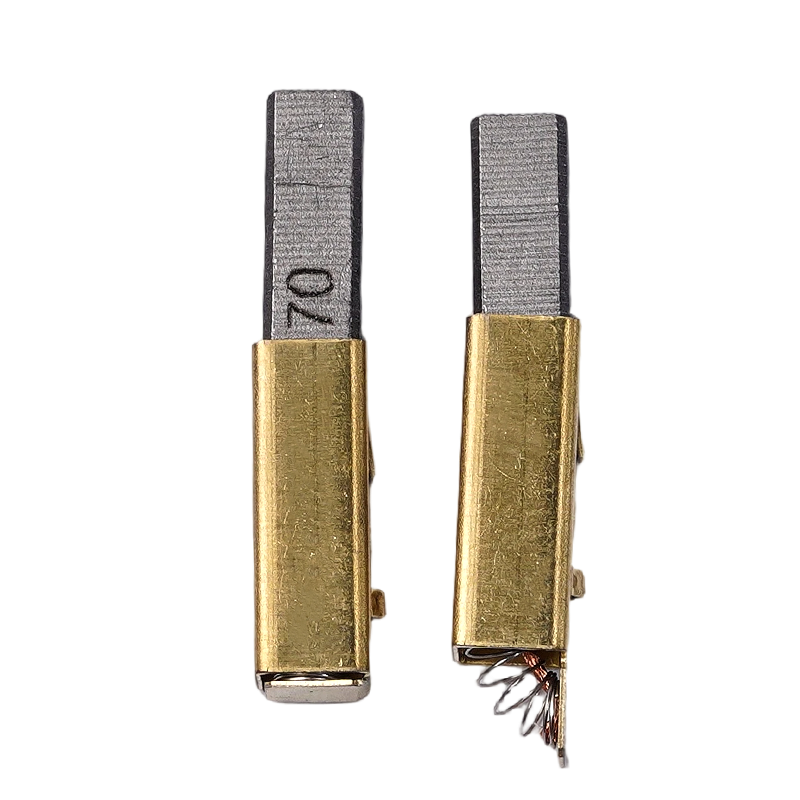 Vacuum Cleaner Carbon Brushes for Reliable Suction and Motor PerformanceFor vacuum cleaner motors, these carbon brushes are designed to maintain steady contact and powerful suction. Proper dimension matching prevents sparking and loss of suction, making them a key replacement part.View Product →
The numbers above are real-world starting points. In a vacuum cleaner motor, for example, the brush is often 6.3×12.5×36 mm because the armature runs at high speed and needs a stable, low-resistance contact. A dimension mismatch here will easily produce the familiar loss of suction and visible sparking.
Two brushes with identical dimensions can behave very differently if they are made from different grades. Carbon brush grades are usually classified into four families: carbon-graphite, graphite, metal-graphite, and electrographitic. Each family has a different current density limit, contact drop, and wear rate.
For a low-voltage automotive motor, a metal-graphite brush offers lower resistance and better contact. For a high-speed power tool, an electrographitic brush survives the higher peripheral velocity and commutator temperatures. If you match the dimensions but ignore the grade, the brush may still fail early. Let us say you are replacing a brush in a universal power tool. The original brush was 6×16×22 mm. A metal-graphite brush with the same dimensions might work well for spark suppression, but if the motor runs continuously, electrographitic is often the better choice.
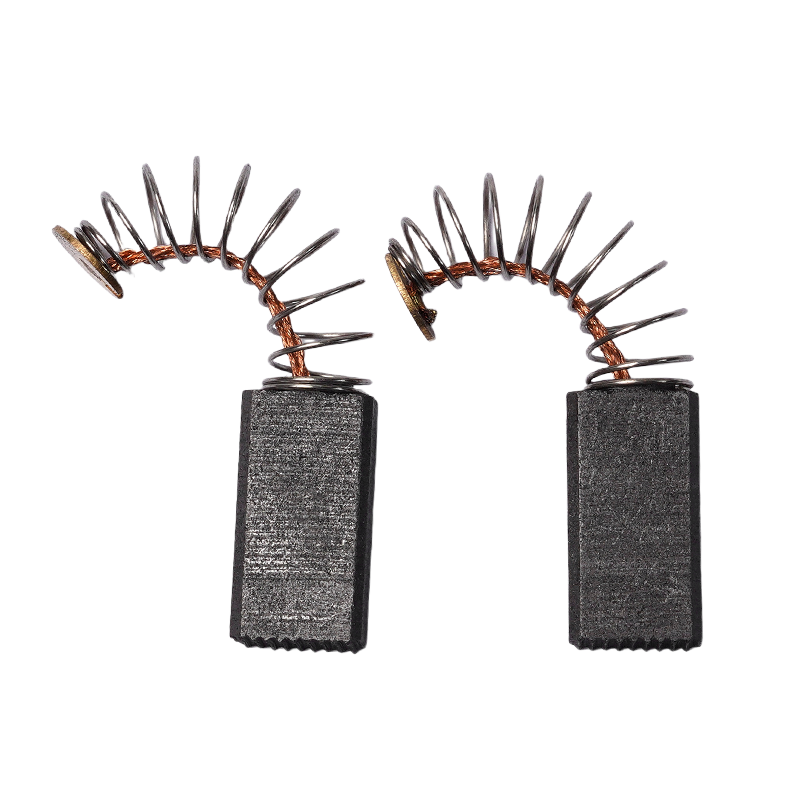 Universal Power Tool Carbon Brushes for High-Speed MotorsDesigned for universal power tools, these carbon brushes come in various sizes and grades. Choosing the right grade, such as electrographitic for continuous duty, helps prevent premature failure and maintain performance.View Product →
Buying a replacement brush without verifying the dimensions is a common source of motor failure. Here are the symptoms you may see with each type of mismatch.
These failures are not isolated to old motors. New designs also carry risks. If you are specifying a brush for a new motor, the calculation of brush cross-section must start from the motor's peak current and the current density limit of the chosen grade. A common rule of thumb is to stay below 12 A/cm² for electrographitic materials and below 30 A/cm² for metal-graphite materials.
Industrial applications, such as wind turbine generators, place even stricter requirements on brush dimensions because the brushes operate at high altitudes and long service intervals. A 25×32×80 mm brush in a wind turbine must maintain a precise contact area over months of operation. A dimensional error of even 1 mm can shift the brush's neutral position and change the commutation quality.
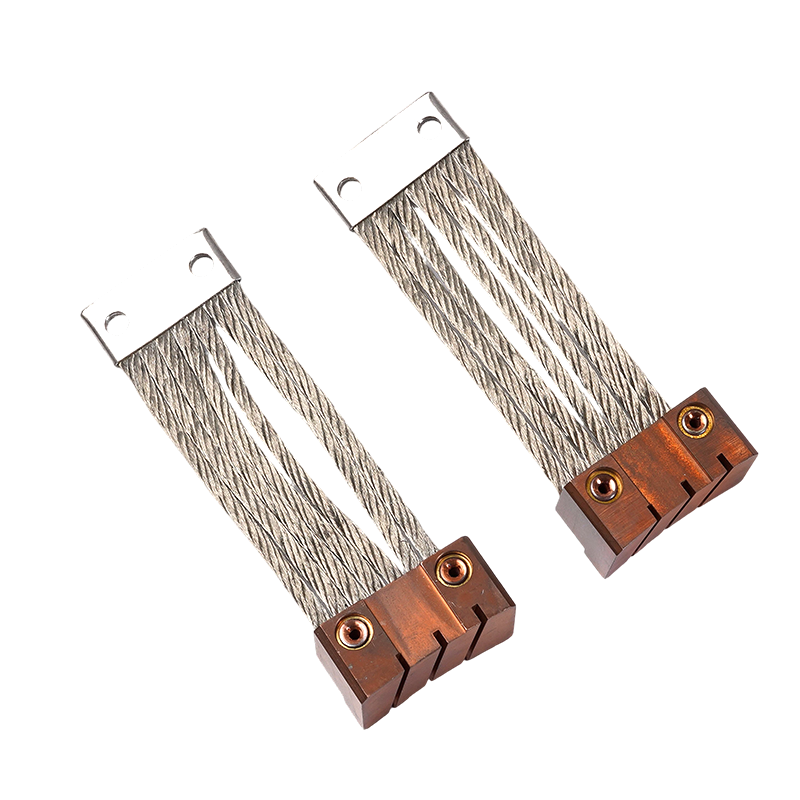 Wind Turbine Carbon Brushes for Reliable Generator PerformanceEngineered for wind turbine generators, these carbon brushes must maintain precise contact over long service intervals. Accurate dimensions and high-quality materials ensure stable commutation and durability in demanding conditions.View Product →
Here are the points I would keep in mind in my own purchasing or engineering work.

Phone:
+86-183 6280 9971
+86-513 8277 2222
Email:
 Custom Motor Carbon Brushes Manufacturers


 English
 中文简体
中文简体